Cheap Backyard Makeover Ideas Under $500
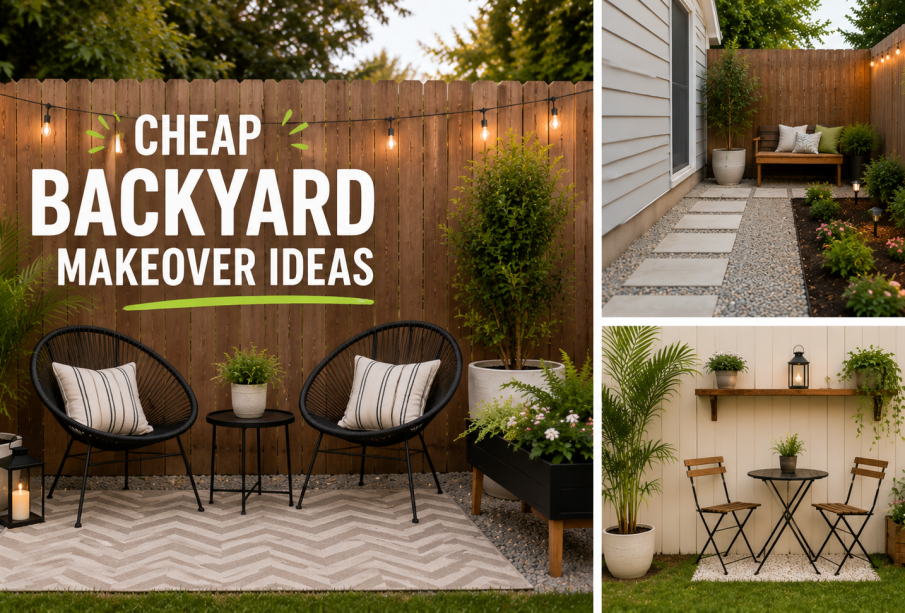
A tired-looking backyard doesn’t need a five-figure renovation to feel like a completely different space. Between fresh paint, smart lighting, and a handful of well-chosen upgrades, real transformations regularly happen for $300 to $500, according to homeowners and DIY bloggers who track their own project budgets.
This guide breaks down exactly what’s worth spending on, what to skip, and how to compare your options before committing a single dollar to your yard.
Featured Snippet Answer: The most effective cheap backyard makeover ideas under $500 include painting or staining a fence ($200–$650), installing a gravel walkway ($300–$500), adding a solar water fountain ($100–$600), and refreshing outdoor furniture with paint rather than replacement. Combining two or three of these typically delivers the biggest visible change for the least money.
What Is a Cheap Backyard Makeover Under $500?
A cheap backyard makeover under $500 is a set of budget-conscious upgrades, usually cosmetic or small-scale DIY projects, that noticeably improve a yard’s look and usability without structural construction or professional landscaping crews. Think paint, lighting, furniture refreshes, gravel paths, and small focal features rather than decks, pools, or full landscape redesigns.
The core idea is prioritization. Rather than spreading a small budget thin across a dozen half-finished ideas, a successful under-$500 makeover usually focuses on two or three high-impact changes that work well together, like a repainted fence paired with new lighting and a refreshed seating area.
Who Should Consider This Approach
This approach fits a specific set of situations well:
- Renters and short-term homeowners who want visible improvement without investing in permanent structures they won’t get to keep.
- First-time homeowners easing into yard maintenance and design before committing to bigger, pricier projects.
- Anyone selling soon who wants better curb appeal photos without a major pre-sale renovation budget.
- Budget-conscious DIYers who enjoy hands-on weekend projects and want to avoid contractor labor costs.
It’s a poor fit for homeowners dealing with serious drainage issues, unsafe decking, or structural fence damage. Those problems need repair first; cosmetic upgrades layered on top won’t hold up.
Key Features to Look For
When comparing which under-$500 projects to prioritize, evaluate each option against these criteria:
Visual impact per dollar. Some projects, like painting a fence or adding string lighting, transform how the whole yard reads for a relatively small cost. Others, like a single new planter, look nice but don’t shift the overall impression much on their own.
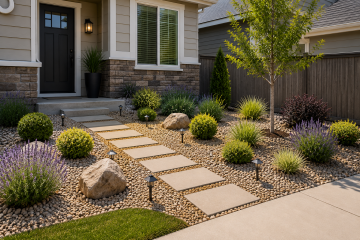
Time investment. A gravel walkway can be completed in a weekend for $300 to $500. A DIY fire pit built from retaining blocks might take two to three days. Match the project to the time you actually have.
Durability outdoors. Exterior-grade paint, weather-resistant fabrics, and properly sealed wood hold up to sun and rain far better than indoor-rated alternatives.
Reusability if you move. Portable items like potted plants, freestanding lighting, and furniture travel with you. Built-in features like a gravel path or in-ground fire pit stay with the property.
Comparing Popular Under-$500 Options
| Project | Typical Cost | Time Needed | Best For |
| Paint or stain a fence | $200 – $650 | 1 weekend | Biggest overall visual shift |
| Gravel walkway | $300 – $500 | 1 weekend | Function plus curb appeal |
| Solar water fountain | $100 – $600 | Under a day | Ambiance, no wiring needed |
| Refreshed furniture (paint + cushions) | $50 – $300 | 1–2 days | Stretching an existing furniture budget |
| String lighting | $30 – $150 | A few hours | Evening usability, low effort |
| Small inflatable outdoor theater setup | $200 – $500 | Under a day | Entertainment-focused yards |
Potential Drawbacks
Budget makeovers come with real limitations worth understanding before you start.
Shorter lifespan. Basic gravel instead of pavers, or paint instead of new fencing, typically needs more frequent touch-ups than a professional installation.
Limited structural change. A $500 budget won’t fix drainage problems, replace a rotting deck, or regrade an uneven yard. It’s cosmetic by design.
DIY skill requirements. Projects like a fire pit built from retaining blocks involve real physical labor. Underestimating the effort is a common reason budget projects stall halfway through.
Diminishing returns from spreading too thin. A little of everything, a cheap fountain, mismatched planters, one string of lights, rarely adds up to a cohesive look. Concentrated spending on fewer upgrades looks more finished.
Expert Buying Tips
Set your budget before you shop, not after. DIY bloggers who successfully complete under-$500 makeovers consistently set a firm number first, since browsing stores and social media inspiration first tends to inflate the eventual spend.
Prioritize one “anchor” project. Choose a single centerpiece, a repainted fence, a fire pit, or a new walkway, and build the rest of the budget around supporting it.
Buy exterior-rated materials even if they cost slightly more. A cheaper indoor paint or fabric that fails within a season costs more long-term than a proper outdoor-rated product bought once.
Watch for seasonal sales. Patio furniture and lighting are frequently discounted at the end of summer, an efficient time to buy for next season.
Reuse and refresh before replacing. A pressure wash and a coat of exterior paint can make existing furniture look new again, a tactic real homeowners have used to stretch a full deck refresh to under $300.
Mistakes to Avoid
Skipping the base prep work. Painting over dirty or damaged surfaces leads to peeling and a shorter-lived result. Cleaning and light sanding first make the biggest difference in longevity.
Ignoring drainage before adding gravel or pavers. A beautiful new walkway installed over poor drainage will shift, sink, or pool water within a season.
Overcommitting to one expensive material. Spending the entire budget on premium pavers leaves nothing for lighting, furniture, or plants.
Underestimating labor time. A fire pit dug and built by hand can take multiple full days. Rushing it often produces uneven results that need redoing.
Following trends over function. A yard designed purely for social media that doesn’t match how your household actually uses the space rarely gets used.
FAQs
What’s the biggest visual improvement I can make under $500?
Painting or staining an existing fence typically delivers the largest visible change relative to cost, since it affects the entire backdrop of the yard rather than a single feature.
Can I really finish a backyard makeover for under $500?
Yes. Many DIY homeowners report full furniture refreshes, gravel pathways, and lighting updates completed for $300 to $500 combined, especially when reusing existing furniture rather than buying everything new.
Is it better to DIY or hire someone for a budget makeover?
Most projects under $500 are DIY-friendly and keep costs down, since labor typically makes up the largest share of any professional landscaping bill.
What should I prioritize first in a small-budget yard project?
Start with whichever single feature will have the biggest visual impact for your space, commonly a repainted fence, refreshed furniture, or new lighting, then build outward from there.
Are cheap materials worth using outdoors?
Not always. Choosing exterior-rated paint, fabric, and sealants costs slightly more upfront but avoids the faster wear and premature replacement that comes with indoor-rated materials used outside.
Final Verdict
A backyard makeover under $500 is a genuinely realistic goal, provided the budget is concentrated on one or two high-impact projects rather than scattered across many small purchases. Painting a fence, adding a gravel walkway, and refreshing existing furniture consistently deliver the most visible transformation for the money, based on real project breakdowns from homeowners who’ve done exactly this.
Before buying anything, confirm your yard doesn’t have underlying drainage or structural issues that cosmetic upgrades won’t fix. Once that’s settled, pick one anchor project, buy exterior-rated materials, and build the rest of your $500 around supporting that single focal point rather than spreading it thin.