Managing bowing walls in North Dakota and addressing structural concerns
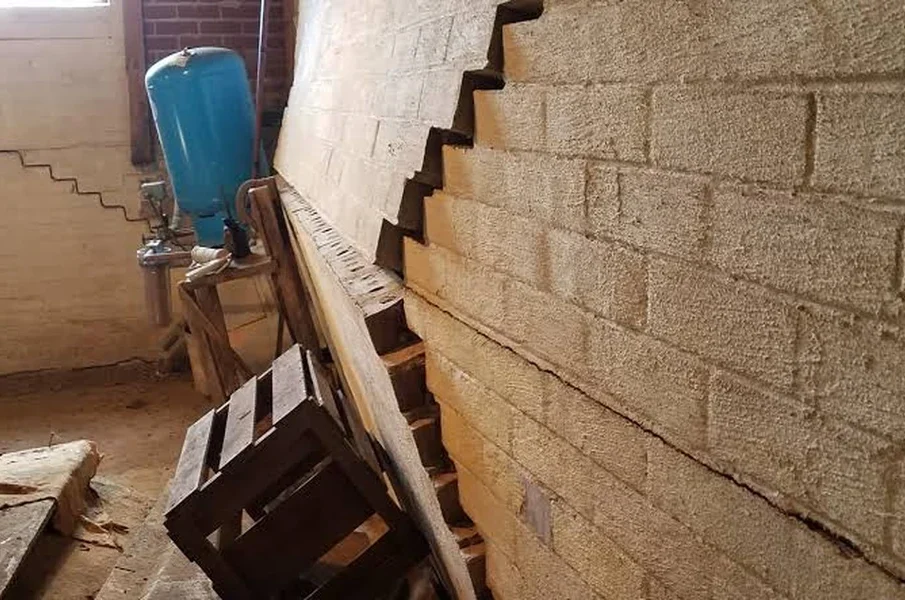
When a homeowner discovers that basement walls are beginning to curve or lean inward, it is common to feel a sense of immediate alarm. This issue is often a reflection of the unique soil conditions, concrete lifting, and freeze-thaw cycles that impact residential foundations in the region. Understanding the mechanics behind why these walls shift is the first step toward determining how to effectively address the situation, ensuring the long-term stability of the home.
The Mechanics of Soil Pressure and Foundation Movement
Foundation walls are designed to withstand a significant amount of vertical weight, yet they can be susceptible to horizontal pressure. This lateral force is frequently caused by the soil surrounding the home. In many areas, the clay content in the soil can be highly expansive. When moisture levels shift, this soil expands and contracts, pushing against basement walls with immense force.
In northern climates, this effect is compounded by the cycle of freezing and thawing. As the ground freezes, it expands, putting sustained pressure on the foundation. When it thaws, the soil may shift or settle unevenly. Over time, these recurring patterns can lead to bowing walls in North Dakota basements. Because these shifts often occur incrementally, they may go unnoticed for long periods until the curvature becomes visible to the naked eye or until related symptoms-such as cracks in the masonry or difficulties closing upper-level doors-become impossible to ignore.
Assessing the Structural Integrity of Basement Walls
Before deciding on a path forward, a thorough assessment is generally necessary. A knowledgeable professional will typically examine the extent of the movement, the type of foundation material involved, and the presence of any secondary indicators like water seepage.
When evaluating these foundations, the focus is often on the rate of change and the risk of further compromise. Not every case requires the same level of intervention, but proactive monitoring and assessment can help distinguish between minor, static settling and active structural distress. Homeowners should look for:
- Horizontal or diagonal cracks that may signal shear stress.
- Areas where the wall appears to be pulling away from the floor joists.
- Signs of moisture infiltration, which can sometimes weaken the mortar or concrete over time.
- Inward bowing that has reached a point where the structural capacity of the wall is clearly reduced.
Approaches to Foundation Stabilization
When the stability of a foundation wall is in question, the goal of intervention is generally to arrest further movement and, where appropriate, reinforce the structure. Several techniques are commonly used to manage these conditions, each tailored to the specific nature of the wall’s distress.
One common strategy involves the installation of structural anchors. This process typically entails securing plates to the interior of the wall and connecting them to earth anchors buried outside the home. By gradually tightening these connections, the wall can often be stabilized against further inward pressure.
Another method involves using vertical supports, such as steel I-beams or carbon-fiber reinforcement systems. These materials provide high-strength bracing along the interior of the wall, spreading the load and helping to prevent the bowing from worsening. The choice between these methods usually depends on the specific layout of the basement, the depth of the foundation, and the extent of the bowing identified during the initial assessment.
Enhancing Foundation Health Through Moisture Management
While structural reinforcement addresses the immediate bowing, long-term success often depends on managing the environmental factors that contribute to wall stress. For many homeowners, improving drainage around the foundation can be just as important as the structural repairs themselves.
Water is a primary driver of soil pressure. Ensuring that gutters are clean and that downspouts extend far enough away from the home helps keep the soil moisture levels more consistent. In some cases, adjusting the grade of the landscaping so that water flows away from the home can reduce the saturation of the soil adjacent to the basement walls. By minimizing the amount of water that accumulates near the foundation, homeowners may be able to significantly reduce the pressure exerted on their basement walls, protecting both the foundation and any repairs that have been completed.
Selecting the Right Path for Home Stability
Deciding how to proceed with foundation concerns is a significant choice. The most effective approach usually begins with a clear, honest conversation with a professional who can explain the reasoning behind their recommendations.
A thoughtful provider will typically:
- Take the time to explain what they see during an inspection without applying high-pressure sales tactics.
- Discuss the trade-offs between different stabilization methods in the context of the home’s specific design.
- Provide a realistic overview of how their recommended solution addresses the root cause of the pressure.
- Offer guidance on maintenance and moisture control that the homeowner can manage independently.
When engaging with professionals, it is helpful to ask questions about their experience with local soil conditions and their general philosophy regarding foundation repair. The goal is to establish a plan that provides peace of mind, knowing that the home is structurally secure. By addressing bowing walls in North Dakota with a combination of informed assessment, strategic reinforcement, and ongoing moisture management, homeowners can take meaningful steps toward preserving the integrity of their properties.
Taking action early, when the signs of movement are subtle, often provides the widest range of options and may prevent the need for more extensive or costly work later. The foundation is the anchor of the home; treating it with careful, measured attention is an investment in the safety and longevity of the entire structure.