Is WPC Flooring Worth the Investment Real-Life Pros, Cons & Maintenance Tips
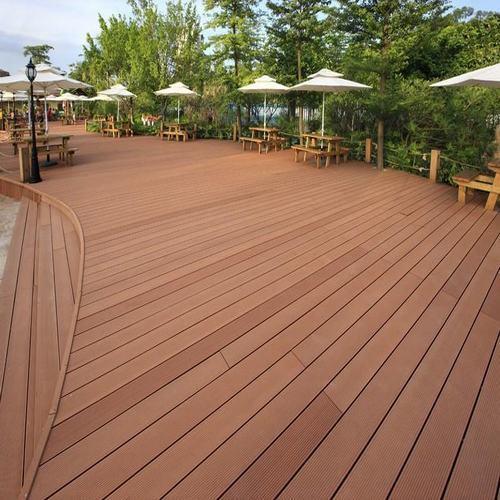
WPC flooring, short for Wood Plastic Composite flooring, has become one of the most popular choices for homeowners looking for stylish, durable, and waterproof flooring solutions. With its advanced layered structure and modern design options, WPC offers a unique blend of aesthetics and performance. But the big question many homeowners ask is: Is WPC flooring truly worth the investment? To answer this, we need to look deeper into real-life advantages, potential drawbacks, cost factors, and long-term maintenance expectations. This blog explores everything you should know before investing in WPC flooring and whether it’s the right fit for your home.
WPC flooring stands out in the market because it performs exceptionally well in areas where traditional wood or laminate flooring struggles. Its core, made of wood fibers blended with plastic polymers, makes it stable, resilient, and resistant to moisture. This versatility is what makes WPC a strong competitor in the flooring industry. Whether you’re flooring a living room, kitchen, office, or rental apartment, WPC offers features that meet modern lifestyle demands.
The biggest advantage that homeowners appreciate is the comfort factor. Unlike tiles or SPC flooring, WPC has a softer, warmer feeling underfoot due to its foamed core. This makes it ideal for homes with children, elderly people, or areas where you spend a lot of time standing, such as the kitchen. The slight cushioning absorbs sound, reduces impact, and creates a cozy ambiance that enhances the overall user experience. For homes seeking a balance between durability and comfort, WPC flooring feels like a premium upgrade.
In terms of performance, WPC’s waterproof nature is a game-changer. Traditional laminate flooring swells and warps under moisture, but WPC is engineered to handle spills, humidity, and even wet mopping. This makes it perfect for moisture-prone spaces like kitchens, bathrooms, laundry areas, and basements. Many interior designers prefer WPC for open-concept homes because its stability prevents expansion and contraction, keeping the floors looking new for years.
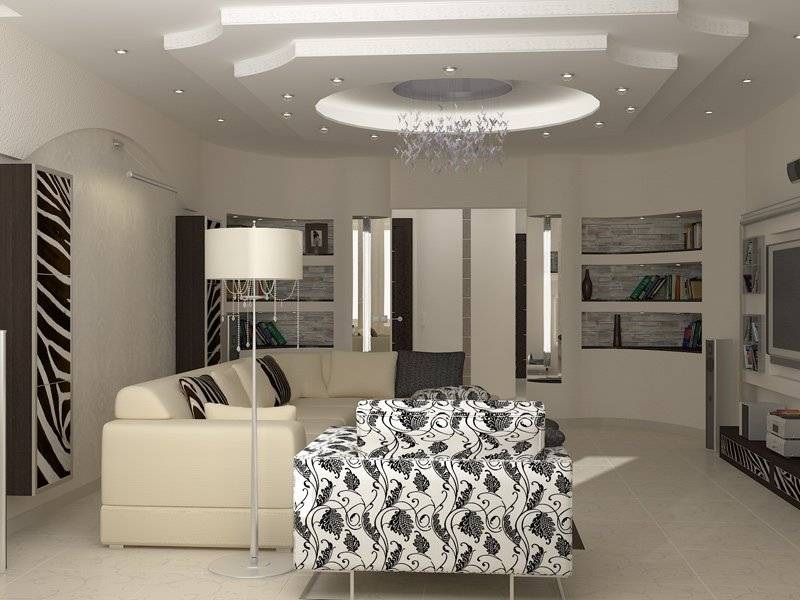
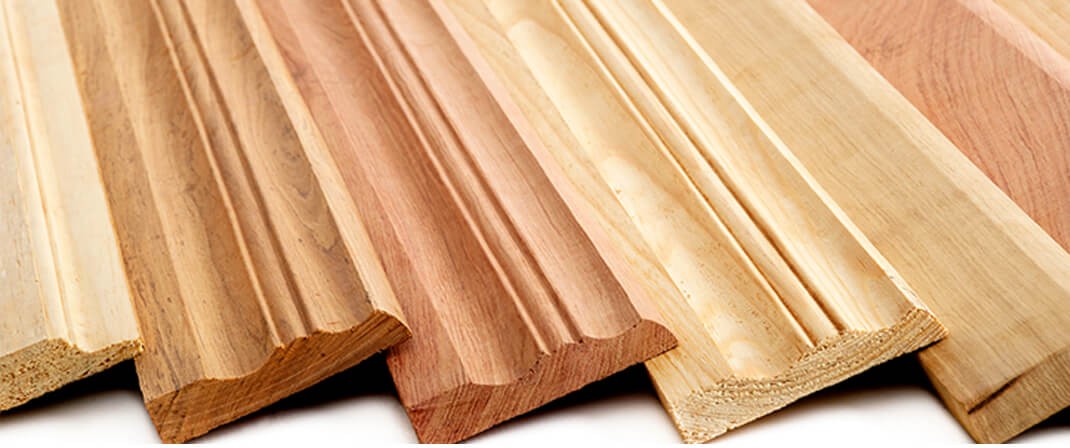
Another key benefit is the luxury appearance. WPC flooring comes in a wide range of modern designs, including deep wood grains, matte finishes, wide planks, and stone-like textures. The high-definition printing technology used in WPC planks makes them look almost indistinguishable from natural wood. This gives homeowners the aesthetic appeal of hardwood without worrying about scratches, termites, or water damage. For those designing contemporary interiors, WPC adds elegance while staying highly functional.
However, even though WPC flooring offers impressive advantages, it’s important to understand its limitations too. One of the common drawbacks is its relatively higher cost compared to laminate or basic vinyl flooring. While WPC is more affordable than hardwood or SPC premium collections, it still sits in the mid-to-high price range. For large spaces or budget-sensitive projects, this may be a concern. Additionally, the foam-core structure, while comfortable, makes WPC slightly less rigid than SPC (Stone Plastic Composite). This means it may not be as suitable for heavy commercial spaces where high traffic and weight pressure are constant.
Another consideration is temperature sensitivity. While WPC is stable, extreme heat exposure—such as direct sunlight through large windows—may cause slight expansion. Using curtains, blinds, or UV-protective films can prevent this. For homes with large glass openings, SPC may perform better, but WPC still performs well under normal conditions. WPC also requires a flat subfloor for proper installation. Uneven surfaces can lead to locking issues and gaps over time, so proper preparation is essential.
When it comes to installation, WPC flooring is surprisingly user-friendly. Most planks come with a click-lock system that allows floating installation without glue or nails. This speeds up the process and reduces labor costs. DIY enthusiasts find WPC extremely easy to work with, making it a popular choice for renovation projects. Whether you are upgrading a small room or revamping your entire home, WPC flooring offers a smooth and hassle-free installation experience.
Maintenance is another area where WPC flooring shines. Unlike hardwood, which requires polishing and special care, or tiles that demand superior cleaning methods, WPC flooring has a low-maintenance routine. Regular sweeping or vacuuming keeps dust and debris away, while a damp mop is sufficient for deeper cleaning. Avoid using harsh chemicals, bleach, or wax-based products, as these can affect the surface finish. Because WPC is scratch-resistant, it performs well in homes with pets, kids, and furniture movement.
To extend the life of WPC flooring, adding felt pads under furniture helps prevent dents and scuffs. Doormats at entrances reduce dirt, while using soft cleaning pads avoids unnecessary abrasion. With proper care, WPC flooring can easily last 12 to 20 years, making it a solid long-term investment. Its combination of durability, design flexibility, and comfort justifies its price, especially for homeowners seeking a flooring solution that balances beauty with performance.
So, is WPC flooring Abu Dhabi worth the investment? Absolutely—if you want waterproof, long-lasting, attractive flooring that offers comfort and minimal maintenance. It may not be the cheapest option, but the value it delivers makes it an excellent choice for modern homes. From improving interior style to enhancing day-to-day comfort, WPC flooring proves itself as a smart and reliable flooring upgrade.