Farmhouse Sinks: Essential Features for Every Stylish Kitchen
Key Takeaways
When selecting a farmhouse sink, professionals must balance durability and aesthetic appeal. Granite composite stands out for its scratch and stain resistance, while stainless steel provides a modern touch and excellent durability.
In kitchen environments, a non-porous surface is crucial, as it effectively prevents bacteria growth and simplifies cleaning-granite composite and fireclay often emerge as the top choices.
The finish selected for a farmhouse sink can dramatically influence a kitchen’s overall style. Classic white, soft pastels, and vibrant colors bring different design themes and personal preferences to life.
Faucet selection should harmonize with farmhouse sinks, ensuring both style and practicality-factors like height and sprayer features play a key role in enhancing functionality.
Size matters-a farmhouse sink must suit kitchen tasks and fit well within existing cabinetry and layout to avoid a cramped feel.
Maintaining a clean kitchen relies on effective drainage; strategically placed drains and integrated drain boards improve overall functionality and ease during daily chores.
Proper installation is vital for farmhouse sinks, demanding attention to detail, precise measurements, and adequate support to avoid future complications.
Choosing the Right Material: What Works Best for Farmhouse Sinks
Durability Meets Aesthetics: An In-Depth Look at Options
Material choice is among the most important aspects when selecting a farmhouse sink. Granite composite, stainless steel, fireclay, and porcelain each bring distinct benefits. While some homeowners prioritize looks, others recognize the value in durability. Granite composite excels in resisting scratches and stains, establishing itself as a robust option for demanding kitchens.
Conversely, stainless steel captivates with modern elegance and remarkable durability against heat and corrosion. Fireclay, with its rustic vibe, offers yet another compelling choice. Weighing durability vs. visual appeal becomes essential-is it better to have a visually stunning sink that might chip, or a practical option that withstands everyday use?
Even though porcelain embodies timeless beauty, it’s susceptible to chipping. Insights from consumers reveal that the right material elegantly balances beauty and functionality. After all, a kitchen serves as more than just a workspace; it’s a canvas for creativity, ideally with a sink that unites practicality with artistic flair.
Non-Porous Surfaces: Why They Matter in Kitchen Performance
For achieving a functional kitchen, non-porous surfaces are vital. Water, bacteria, and stains pose daily threats. This is where the non-porous surface proves essential in combatting these issues. When spills occur-which they will-cleanup becomes straightforward. A farm sink with a non-porous surface aids in preventing odors and bacterial growth, making it indispensable for health-conscious chefs.
Granite composite and fireclay offer excellent non-porous choices, demonstrating that wise selections can lead to extraordinary results. Dishes and utensils stay cleaner for longer. Isn’t that a small investment for peace of mind? Careful decision-making translates to long-term kitchen hygiene; it’s practically a no-brainer.
Design Elements That Raise Your Kitchen’s Style
Color Trends: Choosing the Perfect Finish for Your Farmhouse Sink
Take a look at the color spectrum in any kitchen, and you’ll discover endless possibilities. The finish on a farmhouse sink can either boldly assert itself or delicately blend with the surrounding elements. Rich black or deep navy may resonate with people drawn to contemporary designs, while soft whites or pastel shades evoke those classic farmhouse aesthetics.
It’s not just about matching-it’s about creating harmony. Here are a few trends worth noting:
- Classic White: Timeless and versatile, white complements any color scheme.
- Pastels: Gentle blues and greens invite a refreshing feel.
- Bold Shades: Make a statement with rich tones like forest green or burgundy.
Choosing the right finish often reflects individual personality. Should the sink fade into the background, or is it more apt to take center stage? Ultimately, it comes down to how one envisions their kitchen mirroring their lifestyle.
Faucet Pairings: Complementing Your Sink with Style
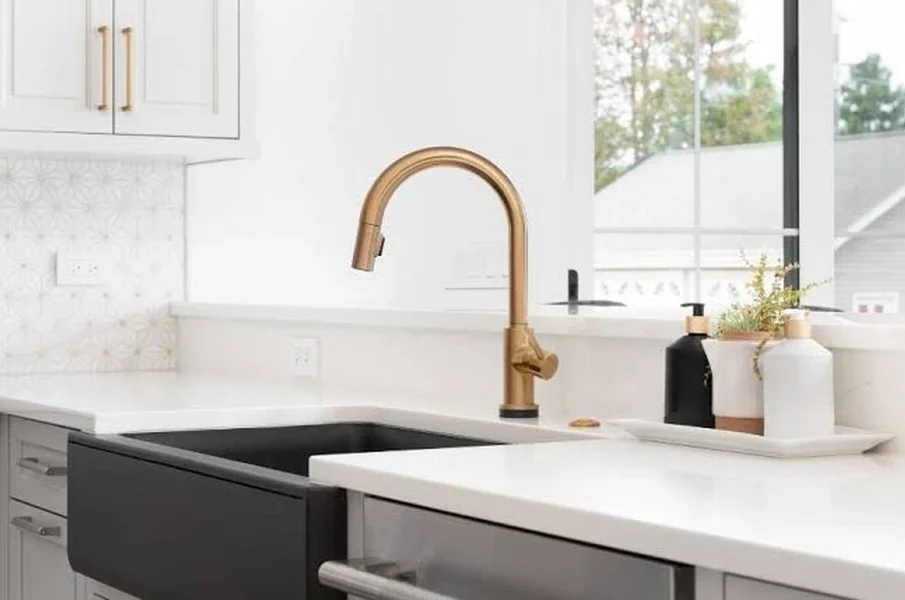
Selecting a faucet to go with a farmhouse sink requires a blend of style and functionality. The faucet’s aesthetic should echo the sink’s vibe-be it elegant, rustic, sleek, or refined. Size also plays a pivotal role; a substantial sink deserves a faucet that commands attention. High arc faucets draw focus to the sink and offer functional advantages. Don’t overlook the sprayer feature, essential for both dishwashing and filling large pots.
The flow really matters. Keep these considerations in mind:
- Height: Taller faucets enhance usability.
- Style: Select finishes that harmonize with the sink’s color.
- Features: A pull-down sprayer adds significant practicality.
These elements elevate the charm of a kitchen, blending seamlessly in a partnership that magnifies overall appeal. Thoughtful choices can profoundly affect how the kitchen feels and operates.
Functional Features That Enhance Daily Use
Choosing the Ideal Size: Capacity Considerations for Every Kitchen
Size is crucial, an undeniable fact in kitchen design. A farmhouse sink should not only look appealing but also perform well in day-to-day tasks. Often, a larger sink accommodates hefty pots, pans, and the bustling pace of mealtime preparations. And yet, it’s vital to assess how this dimension aligns with cabinet space and kitchen layout to maintain an open feel.
Here are a few key tips for sizing:
- Measure Twice: Confirm the sink will properly fit cabinetry and available space.
- Assess Your Needs: Do larger pots require ample basin space?
- Consider Your Family: More household members can lead to greater cleanup demands.
At this point, one might wonder: is bigger always better? The answer hinges on understanding how a kitchen is utilized and what aligns with individual life rhythms.
Drainage Solutions: Why Proper Flow Is Non-Negotiable
Don’t underestimate the critical role of drainage. Just like a vehicle needs tires that grip the road, a sink thrives with an efficient drainage setup to manage kitchen activity. Standing water and overflow create less-than-ideal conditions. The best approach? Position the drain for optimal flow to avoid unnecessary backups.
While rectangular designs tend to support superior drainage, integrated drain boards should not be overlooked. With a solid drainage plan, cleanup can shift from a tedious task to an empowering part of the culinary experience. Remember:
- Correct Placement: Positioning can significantly enhance effectiveness.
- Integrated Drain Boards: These features streamline drying and improve usability.
- Quality Drainage Features: Investing in high-end components pays off.
A well-designed drainage mechanism can make daily tasks more enjoyable rather than a hassle. Efficiency and design can, and should, work together harmoniously.
Installation Insights: Maximizing the Impact of Your Farmhouse Sink
Integration with Countertops: Expert Tips for a Flawless Fit
Installation might seem daunting, yet with the right knowledge, it morphs into an exciting endeavor. Accuracy is crucial, so measuring the fit between the countertop and sink is a must. Homeowners often overlook the necessity for proper support, especially for these heavier sinks.
A few tips for a successful installation:
- Consult Experts: Sometimes, hiring a pro ensures peace of mind.
- Support Structures: Confirm cabinets can bear the sink’s weight.
- Sealants: Quality sealants are worth the investment for durability.
Carefully planning each step leads to triumph on installation day. And what a sight it is when all components align, creating a blend of aesthetics and function that enriches daily kitchen experiences.
Common Installation Mistakes and How to Avoid Them
Installation errors can occur, but with keen awareness, they can be sidestepped. Key issues to watch for include inaccurate measurements, inadequate support, and improper sealant application.
Here’s how to avoid these pitfalls:
- Double-check Measurements: Always verify dimensions multiple times.
- Assess Weight Distribution: Ensure the cabinet can support the sink’s weight.
- Use Quality Materials: Don’t cut corners on sealants or fittings.
Complex designs may demand extra attention, but recognizing common mistakes can help homeowners navigate challenges. Knowledge and meticulous planning lead to a successful installation that enhances beauty and functionality.
FAQ
What materials are ideal for a farmhouse sink if durability is the top priority?
For those prioritizing durability, granite composite and stainless steel consistently rank as top choices. Granite composite is celebrated for its scratch resistance, while stainless steel is revered for its resilience against heat and corrosion. Clients often express satisfaction with these options in busy kitchen environments.
How does the finish of a farmhouse sink influence overall kitchen design?
The finish of a farmhouse sink greatly impacts the kitchen’s overall aesthetic. A classic white sink offers a timeless backdrop, while vibrant colors can serve as eye-catching focal points. Ultimately, the extent to which the sink merges with other kitchen components defines its overall effect.
Are there specific faucet features that enhance functionality when paired with farmhouse sinks?
Certain features can significantly enhance functionality. For example, high arc faucets offer better clearance for filling pots, while pull-down sprayers provide versatility for washing dishes. Selecting faucets that complement the sink’s design improves everyday interactions in the kitchen.
What should homeowners consider when measuring for a farmhouse sink installation?
Getting measurements right is crucial. Homeowners should evaluate cabinet depth, width, and height to ensure the sink fits seamlessly into the layout. Keep in mind that the sink’s depth can affect usability, particularly during larger cooking tasks.
Can a farmhouse sink installation be a DIY project, or should professionals be involved?
While some homeowners may choose a DIY approach, hiring experts often brings peace of mind. The complexity and weight involved in sink installation can be challenging, and professionals are adept at identifying necessary support and design modifications.
How can integrating a drain board enhance the functionality of a farmhouse sink?
A drain board can transform a basic necessity into a design feature. These boards facilitate dish drying and prevent water accumulation on countertops. This thoughtful addition contributes to a more organized and efficient kitchen environment.
What aesthetic trends are currently shaping farmhouse sink designs?
Current design trends reflect a blend of timeless grace and contemporary style. Deep navy and forest green resonate with modern tastes, while pastels evoke a classic farmhouse ambiance. Often, the choice of color mirrors personal style and desired kitchen atmosphere.
What maintenance tips ensure longevity for a farmhouse sink?
Regular maintenance is key to keeping a farmhouse sink in top condition. Simple habits such as wiping surfaces after use and steering clear of abrasive cleaners help protect finishes. Additionally, routinely checking for hairline cracks can prevent larger issues later on.