Home Solar: Why It’s the Smart Choice for Your Iowa Home
Key Takeaways
Home solar installations in Iowa offer a chance to slash monthly electricity bills by up to 70%, making it a financially sensible decision for homeowners eager to save on energy expenses.
Residents of Iowa can enjoy a 30% Federal Solar Investment Tax Credit, along with additional perks at the state level, significantly reducing installation costs and accelerating the payback period for solar investments.
Homes with solar panels may witness an increase in value between $15,000 and $20,000, establishing solar as a solid investment in Iowa’s real estate market.
Properties featuring solar systems are appealing to environmentally minded buyers, especially among millennials and Gen Z, which can enhance resale value in a tight housing market.
The installation of solar panels is typically a quick process, often wrapped up in under a week, commencing with an initial consultation and site evaluation.
Surprisingly, solar panels in Iowa can still generate power during cloudy weather, putting to rest doubts about their effectiveness in less sunny environments.
Maintenance for solar systems is minimal, requiring just occasional inspections and cleanings, with warranties frequently lasting more than 20 years, providing long-lasting peace of mind.
The Tangible Financial Benefits of Home Solar in Iowa
How Solar Panels Slash Energy Bills
Homeowners throughout Iowa are experiencing substantial reductions in their energy costs since transitioning to home solar. These panels harness solar energy, offering a renewable resource that leads to impressive savings. Modern solar technology has advanced significantly, resulting in systems that produce more energy, particularly during sunny periods. A typical solar installation can reduce monthly electricity bills by as much as 70%. That’s some serious savings to think about-it’s easy to see why this trend is gaining traction.
To elaborate, as electricity prices rise and fall, solar panels empower homeowners to generate their own power. Even on cloudy days, these panels can still yield 25-60% of their typical output. Over time, these savings accumulate, leading to reduced reliance on conventional utility services.
Tax Incentives and Rebates that Maximize Savings
Iowa homeowners have the chance to capitalize on significant tax incentives and rebates that streamline solar installations. The Federal Solar Investment Tax Credit (ITC) offers a 30% tax credit on the total installation cost, which is a notable saving. There’s more-state-level incentives in Iowa sweeten the deal.
These financial benefits not only lessen installation rates but also shorten the payback period on the investment. Many industry professionals believe that when combined with local utility rebates, the payback period could shrink to just five years.
- Federal Solar Investment Tax Credit (ITC)
- State solar tax credits
- Local utility rebates and incentives
The Long-Term Value of Solar Investments
Investing in home solar involves not only immediate savings but also future gains. As society increasingly prioritizes clean energy, properties with solar systems are likely to appreciate at rates that surpass market averages. Real estate experts know well that homes with solar panels frequently sell faster and at premium prices.
Additionally, the reduced costs for maintaining these systems present a strong argument for solar adoption. With minimal upkeep required and many manufacturers offering warranties that last 20-25 years, homeowners can relax knowing unexpected expenses are unlikely to arise post-installation.
How Home Solar Installation Enhances Property Value
Increasing Home Resale Potential with Solar Energy
The real estate landscape is evolving. As consumers become more attuned to their environmental impact, homes with solar energy systems are capturing attention. Research shows that properties with solar panels across the U.S. can experience a property value boost between $15,000 and $20,000. So, why not capitalize on that opportunity?
In Iowa, where solar adoption is still gaining momentum, having solar capabilities can make a property stand out. Future buyers are increasingly inclined towards homes that offer energy independence, thus heightening demand for residences featuring renewable energy solutions.
Picture this: A family selling their home equipped with solar panels can attract eco-minded consumers who are prepared to pay a premium for sustainable amenities. It’s more than just a cosmetic appeal; it’s a financial advantage rewarded to those who make the leap into solar.
Attracting Eco-Conscious Buyers in the Iowa Market
Clearly, a growing demographic of environmentally conscious buyers exists in Iowa, as well as nationwide. These individuals actively pursue properties that resonate with their values, which prominently include sustainability and energy efficiency. Home solar serves as an icon-a reflection of a progressive, eco-friendly lifestyle.
It’s noteworthy to consider how solar energy particularly resonates with millennials and Gen Z buyers, two groups that hold sustainability in high regard. This creates a situation where sellers benefit, aligning with the preferences of the emerging purchasing demographic.
- Sustainable homes attract buyers
- Market values are higher for solar-equipped properties
- Eco-focused groups favor sustainable attributes
Home Solar: A Smart Investment for Future Generations
Looking past today’s homeowners, it’s evident that solar investments are a long-lasting advantage. Future generations will not only inherit homes but also the rewards of solar energy-lower utility bills, higher property values, and a cleaner planet. Opting for home solar amounts to creating a legacy of sustainability.
What might the real estate market look like in 10, 20, or even 30 years? Current trends point toward homes equipped with energy-generating capabilities becoming increasingly sought after as local governments strengthen their commitments to green energy initiatives.
Understanding the Solar Installation Process in Iowa
What to Expect During Your Solar Panel Installation
The prospect of installing solar panels can be a bit daunting at first. Yet, the reality is that the process is usually quite straightforward. Homeowners can anticipate an initial consultation where the installer will assess the roof, existing electrical systems, and energy needs. After this, a quote will outline costs and anticipated savings. Then comes the site survey-precise measurements ensure the solar panels will be a perfect fit.
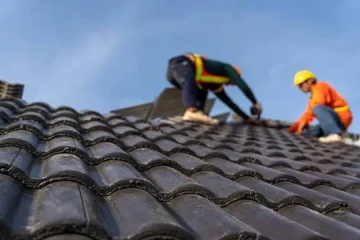
The actual installation generally takes less than a week, assuming clear weather. A skilled technician will adeptly mount the panels, install the inverters, and connect everything to the grid meticulously. Once homeowners see the panels in place, confidence in their decision tends to soar.
- Initial consultation and assessment
- Quote and savings outline
- Site survey and measurements
- Installation and grid connection
Key Steps to Prepare Your Home for Solar Power
Before diving into installation, there are vital steps homeowners can take to prep their homes. Properly readying the space for solar power can make the transition seamless. Here are the recommended actions:
- Inspect the roof for any needed repairs
- Clear space for installation equipment
- Review energy consumption data to determine system size
- Consult with the installer regarding additional options, like battery storage
Jumping into the installation without adequate preparation can lead to complications, making this step critical for a smooth solar transition.
Choosing the Right Equipment: Panels and Inverters Explained
When it comes to selecting panels and inverters for solar systems, homeowners may find themselves overwhelmed by options. Efficiency ratings and brand differences can be vast. Common questions arise: How many panels will be necessary? Which inverter type optimizes efficiency? Generally, solar panels can be divided into three categories: monocrystalline, polycrystalline, and thin-film panels.
Monocrystalline panels usually offer the highest efficiency rates but come at a premium price. Polycrystalline panels provide a solid balance between cost and efficiency, while thin-film panels are the budget-friendly option, though often less efficient. Each has its pros and cons-so choices should consider budgetary constraints and spatial limits.
As for inverters? They convert the direct current (DC) produced by solar panels into alternating current (AC), which powers homes. It’s crucial to choose high-quality inverters as they can significantly influence the overall system performance, making them a key focus during the selection stage.
Debunking Common Misconceptions About Home Solar
Addressing Concerns About Iowa’s Weather and Solar Energy
Skeptics often question the efficacy of solar in Iowa, particularly given the many cloudy days. However, here’s the truth: solar panels continue to generate electricity effectively, even in overcast conditions. Indeed, they can still produce energy during cloudy weather, albeit at a reduced capacity. Thus, residents can still take advantage of solar energy throughout the winter months.
How solar panels are positioned and angled significantly influences their energy capture efficacy. When placed correctly, they can generate considerable output, even when conditions aren’t ideal. Industry professionals emphasize that solar technology is built to accommodate various weather scenarios, effectively dispelling this skepticism.
Understanding Maintenance Requirements for Longevity
Maintenance for solar panels is pleasantly minimal. Regular inspections and occasional cleaning keep the systems functioning optimally. The occasional snowfall in Iowa can conveniently act as a natural cleaner, helping to remove dirt and debris. Nevertheless, a thorough cleaning once every couple of years could improve efficiency.
Most manufacturers provide warranties, and because solar systems are engineered to withstand various weather conditions, their durability often exceeds expectations. Taking care of home solar installations typically involves more preventive measures than intensive labor.
- Minimal cleaning needed
- Snow serves as a natural cleaner
- Regular inspections enhance longevity
Innovations in Solar Technology Enhancing Performance
The solar energy sector is experiencing rapid advancements. An ever-growing array of innovations is being developed to boost efficiency and performance. From bifacial solar panels that capture sunlight from both sides to intelligent inverters optimizing energy usage based on real-time data-the future is packed with possibilities. Industry experts are incredibly excited about the trajectory of solar technology.
“Innovations in solar technology are transforming the industry landscape,” claims leading solar expert Jane Doe.
Investing in home solar now is about leveraging not just the sun but also the exciting advancements available, ensuring optimal performance for the future.
FAQ
What are the best solar panel brands to consider for Iowa homes?
A host of reputable solar panel brands lead the market, including LG, SunPower, and Canadian Solar. Research indicates that these companies offer top-tier efficiency ratings and robust warranties, enabling homeowners to make the most of their investments.
How can solar energy systems integrate with existing home energy systems?
Home solar systems can seamlessly integrate with current energy appliances through grid connection and net metering. This configuration allows homeowners to utilize solar energy primarily, relying on utility power only when solar generation is insufficient.
Are there financing options available for solar installation in Iowa?
There are multiple financing avenues available for Iowa homeowners eager to harness solar energy. Many installers present financing plans, including loans or leasing alternatives that permit homeowners to install panels without hefty upfront costs, paving the path for long-term savings.
What local utility programs support solar power adoption?
Iowa is home to several utility programs designed to promote solar power implementation. Some utilities offer rebates for installations, while others provide net metering agreements that compensate homeowners for excess energy sent back to the grid, enhancing overall savings.
How does battery storage complement a solar power system?
Battery storage systems enhance the solar power experience by storing surplus energy produced during sunny periods, making it available later during peak demand or outages. This combination encourages energy self-sufficiency and helps ensure a stable power supply for homeowners.
What steps can homeowners take to maximize solar energy production?
To maximize solar energy generation, homeowners should keep their panels clear of obstructions like trees or buildings that may block sunlight. Routine maintenance, including cleaning and inspections, also plays a crucial role in preserving optimal energy production efficiency.
How can one gauge the return on investment for a solar system?
Evaluating the return on investment (ROI) for a solar system can be accomplished by comparing long-term savings on electricity against installation expenses. Many experts suggest assessing payback periods, which typically span five to seven years, to grasp the financial benefits over time.
What trends are emerging in the solar industry that homeowners should be aware of?
Current trends highlight an increasing reliance on smart technology, such as microinverters and monitoring systems that optimize energy consumption. Additionally, the rise of community solar projects is broadening access to renewable energy options for homeowners who might not be able to install their own systems.
Useful Resources
- U.S. Department of Energy
- Solar Energy Industries Association
- National Renewable Energy Laboratory
- Database of State Incentives for Renewables & Efficiency (DSIRE)
- Energy Star
- Solar Power World
- Solar United Neighbors
- State of Iowa Official Website
- Frontier Cooperative – For Renewable Solutions in Iowa
- Consumer Reports