When to Choose Reusable Insulation Jackets for Industrial Safety
Key Takeaways
- Reusable insulation jackets help control heat loss while allowing easy removal for maintenance and inspections.
- A passive fire protection jacket focuses on fire resistance and containment during high-temperature emergencies.
- Choosing the correct system depends on equipment function, maintenance frequency, and fire risk exposure.
- Understanding when to prioritise thermal efficiency or fire protection can improve safety, energy use, and operational efficiency.
Introduction
Industrial facilities face a familiar dilemma: whether to prioritise temperature control or fire protection for their equipment. Reusable insulation and the passive fire protection jackets appear across sectors, such as oil and gas, marine engineering, power plants, and manufacturing, as common solutions. While both systems protect equipment and improve safety, they serve different purposes and operate under different design principles. Knowing when to choose one over the other helps maintenance teams and engineers reduce downtime, maintain compliance, and improve long-term operational performance.
Comprehending the Role of Reusable Insulation Jackets
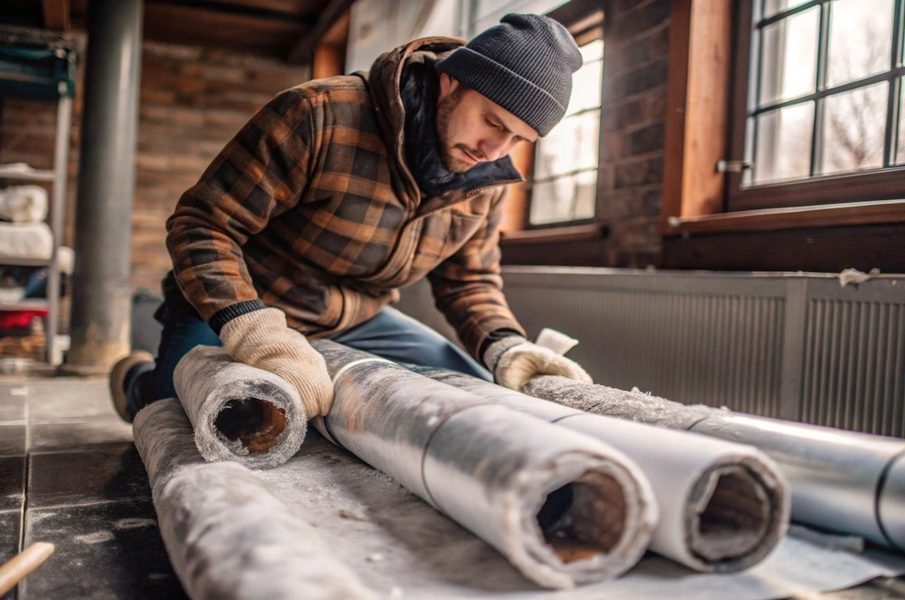
Pipes, valves, turbines, and exhaust systems can lose significant amounts of heat if left exposed. Reusable insulation jackets are designed to manage this issue by enclosing equipment with removable insulation covers. Unlike permanent insulation systems, these jackets can be detached and reinstalled when technicians need access for inspection or repair. Removable insulation systems are commonly used on components that require frequent servicing, such as valves, flanges, pumps, and turbines.
By reducing heat loss, reusable insulation jackets contribute to energy efficiency and help maintain stable operating temperatures. They also improve workplace safety by lowering surface temperatures and reducing burn hazards for personnel working near heated equipment. When equipment requires servicing, technicians can simply remove the jacket. This approach reduces labour time and prevents insulation waste, making reusable insulation jackets practical for facilities where maintenance access is frequent.
The Purpose of a Passive Fire Protection Jacket
While thermal management is essential for efficiency, certain environments must prioritise fire resistance. This is where the passive fire protection systems slow the spread of fire and maintain equipment integrity during extreme heat events. These jackets are engineered with fire-resistant materials to withstand intense heat for specified durations.
A passive fire protection jacket may be installed on equipment such as emergency shutdown valves, safety systems, and critical pipeline connections. During a fire incident, these jackets help maintain structural stability and prevent equipment failure for emergency procedures to take effect. Industries such as petrochemicals, offshore platforms, and gas processing plants rely on passive fire protection to meet safety regulations and reduce the risk of catastrophic equipment failure.
When Thermal Efficiency Matters More Than Fire Resistance
Reusable insulation jackets become the preferred solution in steam systems, heat exchangers, and turbine installations where the objective is to minimise heat loss. Uninsulated industrial surfaces can lose substantial amounts of heat. The use of removable insulation systems helps reduce these losses and improve operational efficiency.
Components such as control valves and pumps require periodic inspection. A removable system allows engineers to access these parts quickly without destroying insulation materials. Over time, this reduces maintenance costs and improves workflow efficiency. Facilities focused on process optimisation tend to prioritise insulation performance and accessibility. Reusable insulation jackets serve as a practical solution that balances safety and operational convenience.
When Fire Risk Becomes the Primary Concern
A passive fire protection jacket becomes essential in environments where flammable materials, hydrocarbons, or high-pressure systems increase the potential for fire. These jackets are specifically engineered to maintain performance under extreme heat conditions. In a fire scenario, they slow the temperature rise on critical equipment surfaces and delay mechanical failure.
Without such protection, high temperatures could cause rapid equipment failure, leading to escalation. Regulatory frameworks and safety standards in many industrial sectors require passive fire protection in designated zones. Compliance requirements alone can influence the decision to install a passive fire protection jacket instead of standard insulation systems.
Situations Where Both Systems Work Together
In complex facilities, both reusable insulation jackets and a passive fire protection jacket may be used in different parts of the same system. Thermal insulation may protect equipment that requires routine maintenance. Fire protection jackets guard safety-critical components exposed to fire risk. Engineers conduct risk assessments to determine which areas require thermal management and which demand fire-resistant protection. This layered approach allows facilities to balance energy efficiency with safety preparedness.
Conclusion
Reusable insulation jackets and the passive fire protection jackets address different challenges, from improving thermal efficiency to safeguarding critical systems during fire incidents. Reusable insulation jackets offer flexibility, energy savings, and convenient access for maintenance tasks. In contrast, a passive fire protection jacket focuses on safety by slowing heat transfer during extreme fire conditions and protecting essential infrastructure. Understanding when to choose one over the other allows engineers and facility managers to optimise both safety and efficiency.
For teams evaluating insulation and fire protection strategies, contact Ancloz Engineering and improve both safety planning and operational performance today.