Fabric Sofas for People Who Avoid Statement Furniture
Key Takeaways
- Calm living rooms benefit from seating that blends in visually while still supporting everyday comfort and regular use.
- Flexible design allows fabric seating to adapt as décor, layouts, and personal tastes shift over time.
- Practical care routines make fabric upholstery easier to live with in shared and frequently used spaces.
- Neutral seating choices help reduce visual pressure and keep living areas feeling relaxed and welcoming.
Homes built around comfort usually feel calmer because furniture supports daily life without pushing for attention. Living spaces shaped this way prioritise ease, flexibility, and familiarity instead of bold centrepieces that dominate the room. A fabric sofa suits this preference because it settles into the background while handling everyday sitting, lounging, and hosting without fuss or pressure.
Preferring Calm Over Visual Noise
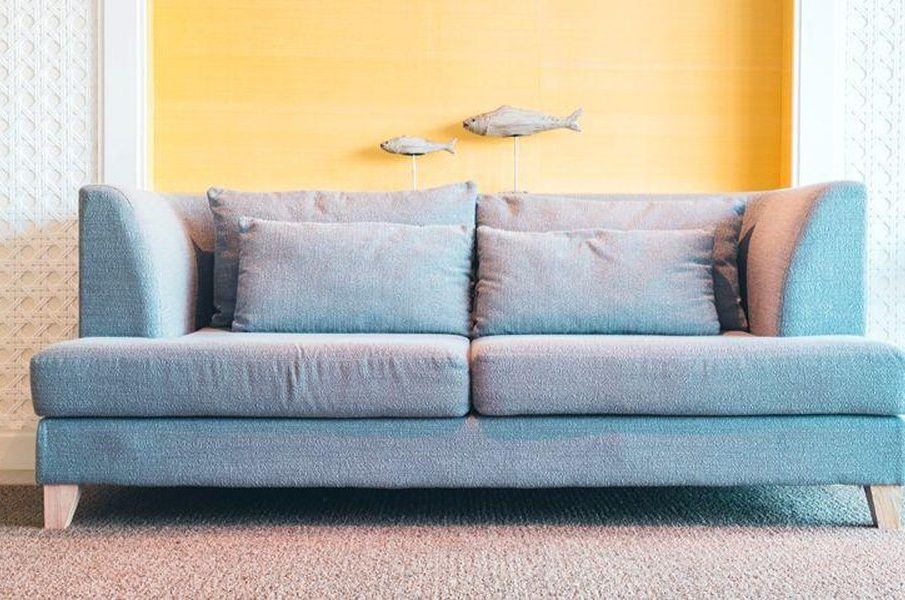
Many people feel more at ease in rooms that do not shout for attention the moment someone walks in. Furniture choices in these homes tend to stay understated, allowing the space to feel lived-in rather than staged. Fabric sofas work well here because colour, texture, and shape remain balanced instead of demanding focus.
Personal items, lighting, and artwork gain room to breathe when seating does not compete visually, which is often why people browsing furniture stores in Singapore lean toward understated designs. Living rooms also become easier to update since smaller changes carry more impact without clashing with a dominant centrepiece.
Comfort That Feels Easy to Live With
Furniture that avoids visual drama often feels easier to use every day. A fabric sofa offers a softer appearance that reduces contrast and helps the room feel relaxed rather than carefully arranged. Shared spaces benefit from this quality because people move, sit, and shift around freely without worrying about disrupting a polished look.
Daily use feels natural because fabric surfaces invite sitting without hesitation. Homes focused on comfort appreciate materials that support use without creating pressure to keep everything perfect.
Adjusting as Tastes Change
Style preferences change over time as colours shift, layouts move, and new pieces enter the home. Fabric sofas adapt to these changes because they provide a neutral base rather than locking the room into a specific look. Having this kind of flexibility supports longer use without needing constant replacement.
Cushions, throws, and rugs change easily around the seating, allowing the living room to evolve while the main piece stays relevant. A gradual way of updating the space suits homeowners who prefer small changes over full redesigns.
Seating That Does Not Compete
Comfort still matters in homes that avoid statement furniture, though attention remains on usability rather than appearance. Fabric sofas support everyday sitting with cushioning that feels supportive without adding visual weight. Living rooms stay welcoming instead of formal because seating feels approachable.
Guests settle in comfortably since the sofa feels familiar rather than staged. Conversation and movement flow more easily when furniture stays low-pressure.
Practical Care for Daily Life
Everyday living calls for materials that handle regular use without stress. Fabric upholstery options often focus on durability and manageable care, which helps spills and marks feel less intimidating. Maintenance routines stay simple, supporting frequent use across the week.
When browsing furniture stores in Singapore, fabric information usually outlines care methods and performance details, helping buyers match materials to daily habits rather than showroom styling.
Making Buying Feel Simpler
Furniture shopping becomes easier when fewer visual statements compete for attention. Choosing fabric seating reduces decision fatigue because shapes and finishes tend to stay balanced. A fabric sofa fits naturally into different layouts without forcing a specific arrangement.
Comfort and fabric feel tend to guide decisions through real use rather than appearance alone when time is spent visiting furniture stores in Singapore. Sitting, leaning, and moving on the sofa reveal more than display lighting ever could.
Supporting Shared Living Spaces
Shared homes benefit from furniture that welcomes different preferences without conflict. Seating that avoids strong visual statements allows everyone to feel comfortable using the space. Fabric sofas suit this role because adaptability remains central to their design.
Room layouts also stay flexible as spaces shift between work, rest, and social time. Seating supports these changes without constant rearranging.
Long-Term Use Without Pressure
Long-term furniture choices work best when materials age quietly. Fabric seating tends to wear in gently rather than drawing attention to change, which helps the living room stay comfortable over time. Function remains steady even as daily routines evolve.
Many people visiting furniture stores in Singapore look for this balance between comfort and longevity, especially when furnishing shared or frequently used spaces.
Keeping the Living Room Grounded
Avoiding statement furniture helps living rooms feel grounded and easy to spend time in. A fabric sofa anchors the space without taking control, allowing other elements to change naturally around it. Comfort stays central while visual calm remains intact. If a relaxed, low-pressure approach to seating fits your home, contact Cellini Design Centre today to explore fabric sofa options designed for everyday living.