Eco-Friendly Sofa Repair How to Restore Your Couch Sustainably
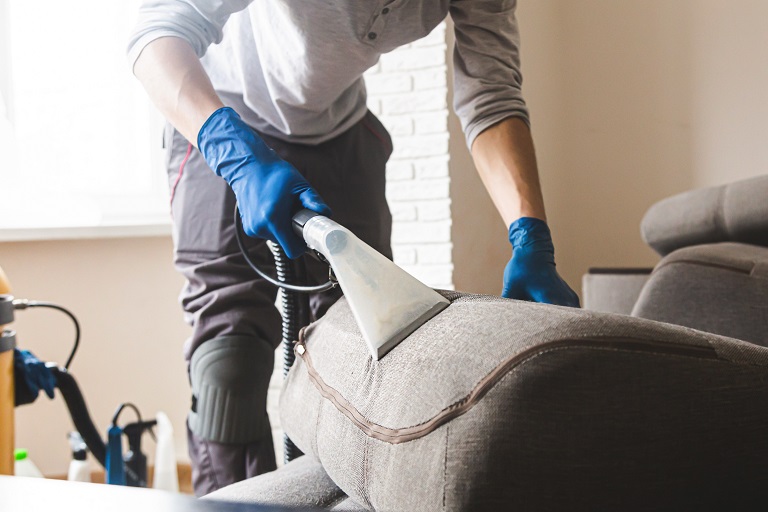
Dry cleaner's man employee removing dirt from furniture in flat, closeup, vacuum clean sofa with professional equipment.
In today’s world, sustainability is no longer just a buzzword—it’s a lifestyle choice. From food to fashion, people are actively seeking eco-friendly alternatives that reduce waste and preserve natural resources. Your furniture is no exception. Sofas, often considered a major home investment, can last much longer if properly maintained and repaired. Eco-friendly sofa repair not only extends the life of your couch but also contributes to a healthier planet. In this blog, we’ll explore how to restore your sofa sustainably, from DIY fixes to professional eco-conscious solutions.
Why Choose Eco-Friendly Sofa Repair?
Traditional sofa repair often involves replacing entire sections, using synthetic materials, or discarding old furniture altogether. This approach creates unnecessary waste and environmental impact. By contrast, eco-friendly sofa repair focuses on:
Reducing Waste: Repairing instead of replacing helps minimize landfill contributions.
Using Sustainable Materials: Natural fabrics, low-VOC adhesives, and biodegradable stuffing are kinder to the environment.
Extending Lifespan: Proper maintenance and repair can add years to your sofa’s life, saving money and resources.
By embracing sustainable repair practices, you’re making a small yet significant contribution to environmental conservation while maintaining the beauty and comfort of your furniture.
Common Eco-Friendly Sofa Repair Techniques
There are several ways to restore your couch without harming the planet. Let’s explore the most popular and effective methods:
1. Natural Fabric Patch Repairs
Tears and rips are common issues, especially in high-use areas like the arms or cushions. Instead of replacing the entire fabric, use natural, eco-friendly patches. Cotton, linen, or hemp fabrics can be used to cover small damages seamlessly. Not only do they reduce waste, but they also provide a fresh, unique look to your sofa.
2. Sustainable Cushion Refilling
Over time, sofa cushions lose their shape and firmness. Traditional foam replacement can be harmful due to synthetic chemicals. Opt for natural fillings like:
Coconut coir
Kapok fiber
Recycled cotton
Wool batting
These materials are biodegradable, hypoallergenic, and durable, ensuring comfort without compromising your eco-conscious values.
3. Low-VOC Adhesives and Paints
If your sofa requires glue for upholstery or touch-up paint for wooden legs and frames, always choose low-VOC (volatile organic compound) products. These materials emit fewer harmful chemicals, making your home safer and reducing environmental pollution.
4. Upcycling and Creative Repurposing
Sometimes a sofa might be outdated in style but structurally sound. Instead of discarding it, consider upcycling:
Turn old sofa cushions into floor poufs or pet beds.
Reupholster with eco-friendly fabrics for a completely new look.
Use the wooden frame for DIY shelving or furniture projects.
Upcycling not only saves money but also reduces the need for new materials, promoting a circular economy.
5. Professional Eco-Friendly Repair Services
For extensive damage, DIY might not be enough. Many professional sofa repair services now focus on sustainability. They source recycled or natural materials, minimize chemical use, and ensure that your sofa’s lifespan is maximized without harming the environment. Hiring such experts guarantees a high-quality finish while supporting eco-conscious business practices.
Maintenance Tips to Keep Your Sofa Sustainable
Preventive care is just as important as repair. Following a few eco-friendly maintenance habits can prolong the life of your sofa:
Regular Cleaning: Vacuuming and spot-cleaning using biodegradable detergents reduces fabric wear.
Rotate Cushions: This ensures even wear and maintains cushion shape.
Protect from Sunlight: Direct sunlight fades fabrics and weakens fibers, so use curtains or reposition your sofa.
Use Sofa Covers: Eco-friendly, washable covers prevent stains and extend the life of your upholstery.
These simple steps minimize frequent repairs and contribute to a more sustainable home.
The Environmental Impact of Choosing Eco-Friendly Sofa Repair
By opting for sustainable sofa restoration, you’re contributing to:
Waste Reduction: Millions of sofas end up in landfills annually. Repairing instead of replacing significantly reduces this number.
Resource Conservation: Natural fibers and recycled materials reduce the demand for new raw materials.
Healthier Homes: Fewer chemicals in your sofa improve indoor air quality and reduce exposure to harmful substances.
Small actions like choosing sustainable repair options accumulate over time, creating a tangible positive impact on the environment.
Conclusion
Sofas are more than just functional furniture—they reflect your style and comfort preferences while influencing your home’s sustainability footprint. By embracing eco-friendly sofa repair Dubai, you not only save money and extend the life of your furniture but also actively participate in environmental preservation. From natural patching and cushion refilling to upcycling and low-VOC products, there are numerous ways to restore your couch responsibly.
Making sustainable choices in sofa repair isn’t just a trend—it’s a conscious lifestyle decision that benefits both your home and the planet. Next time your sofa shows signs of wear, consider eco-friendly solutions before opting for replacement. A few small changes today can lead to a greener, more sustainable tomorrow.