How to Transform Limitations Into Strengths with Condo Interior Design in Singapore
Key Takeaways
- Condo interior design requires strategic planning due to space and structural constraints.
- Interior design in Singapore focuses on layout efficiency before aesthetics.
- Design weaknesses such as low ceilings or compact rooms can become visual strengths.
- Smart material, lighting, and storage choices shape long-term comfort and value.
Introduction
Condominium living in Singapore offers convenience, security, and access to amenities. Yet when it comes to renovation, condo units present design limitations that surprise homeowners. Lower ceilings, fixed plumbing routes, compact kitchens, and balcony restrictions are common realities. Rather than seeing these constraints as barriers, experienced condo interior design professionals treat them as opportunities. The most thoughtful projects are those that transform structural weaknesses into functional advantages.
Comprehending the Condo Context in Interior Design in Singapore
Before selecting finishes or furniture, designers first evaluate the specific characteristics of condominium developments. Unlike landed properties, condo interior design operates within strict management guidelines. Hacking walls, altering façade elements, or modifying balcony enclosures may require approval.
Within interior design in Singapore, professionals are familiar with these regulations. They assess mechanical systems such as air-conditioning trunking, fire safety requirements, and concealed piping before proposing changes. Moreover, condominium layouts frequently prioritise efficiency over spaciousness. Instead of forcing oversized features into limited areas, designers focus on proportion, circulation, and visual flow.
Compact Layouts as Efficiency Boosters
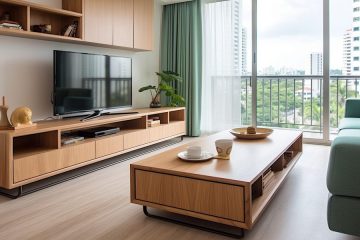
A small living area may initially feel restrictive. However, in condo interior design, compactness can encourage purposeful zoning. Designers use open-plan arrangements, sliding partitions, or integrated carpentry to eliminate wasted corners. Built-in storage along vertical walls reduces clutter and keeps floor space clear. By minimising visual interruptions, the room feels more expansive than its measurements suggest. In interior design in Singapore, subtle shifts such as aligning cabinetry with architectural lines or extending flooring materials across zones enhance cohesion.
Low Ceilings as Design Opportunities
Low ceiling height is a frequent concern in condo interior design. Yet rather than highlighting the limitation, professionals use horizontal design strategies to counteract it. Recessed lighting replaces bulky fixtures. Vertical lines in wall panels or curtains draw the eye upward.
Light-coloured ceilings and reflective surfaces further amplify perceived height. By maintaining consistent tones across upper planes, designers prevent visual segmentation. These deliberate decisions transform a structural constraint into a refined aesthetic direction.
Limited Natural Light as Mood Enhancement Potential
Some condominium stacks receive less natural daylight. Instead of relying solely on artificial brightness, interior designers in Singapore craft layered lighting plans. Ambient lighting provides overall illumination, task lighting enhances functionality, and accent lighting introduces depth. Warm colour temperatures create a welcoming atmosphere, particularly in evening settings. Mirrors positioned strategically reflect available light without overwhelming the space. When carefully executed, the result feels intimate rather than dim.
Material Strategy in Condo Interior Design
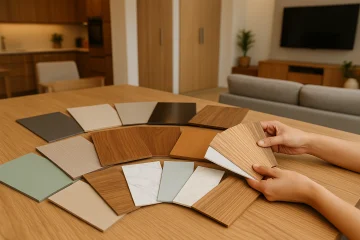
Material selection influences durability and perception. Textured laminates conceal wear while adding subtle visual interest. In condo interior design, engineered quartz replaces natural marble for kitchen counters due to lower maintenance demands. Vinyl flooring may offer acoustic advantages in high-rise living, reducing noise transmission between units.
Sustainable material choices can improve indoor environmental quality. Many interior design firms in Singapore now incorporate low-VOC paints and formaldehyde-controlled carpentry boards to enhance air quality. These decisions contribute not only to aesthetics but also to long-term health considerations.
The Hidden Backbone of Good Design
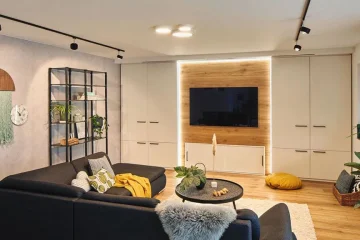
Clutter can undermine even the most elegant renovation. In condominium units, concealed storage solutions are essential. Designers incorporate under-bed compartments, wall-integrated wardrobes, and custom shelving to maintain visual calm. Condo interior design frequently integrates carpentry that blends seamlessly with walls. By reducing visual fragmentation, spaces feel orderly and expansive. Storage planning begins during the conceptual stage.
Balancing Trend and Timelessness
Trends circulate quickly in design culture. However, condominium renovations often represent long-term investments. Experts advise establishing a neutral base before layering trend-driven accents through soft furnishings. This approach ensures adaptability.
Should preferences evolve, replacing decorative elements remains simpler than redoing structural features. In condo interior design, longevity frequently outweighs novelty. Interior design in Singapore considers resale potential. Neutral palettes and functional layouts tend to appeal to broader audiences, preserving property value.
Collaboration and Clear Communication
Turning weaknesses into advantages requires coordination. Condo interior design involves dialogue between homeowners, designers, contractors, and condominium management. Clear documentation and visualisations reduce misunderstandings. 3D renderings and scaled drawings help homeowners visualise spatial adjustments before construction begins. This process minimises uncertainty and aligns expectations. Effective communication also addresses budget transparency.
Conclusion
Condominium renovation is about thoughtful adaptation. Condo interior design thrives when constraints are studied carefully and reframed as opportunities. Through strategic layout planning, layered lighting, material foresight, and concealed storage, interior design in Singapore transforms perceived weaknesses into defining strengths.
If you are preparing to renovate your condominium and wish to approach the process with clarity rather than compromise, contact Hoft Interior today to learn more.