Homemade Wasp Trap: Simple DIY That Actually Works
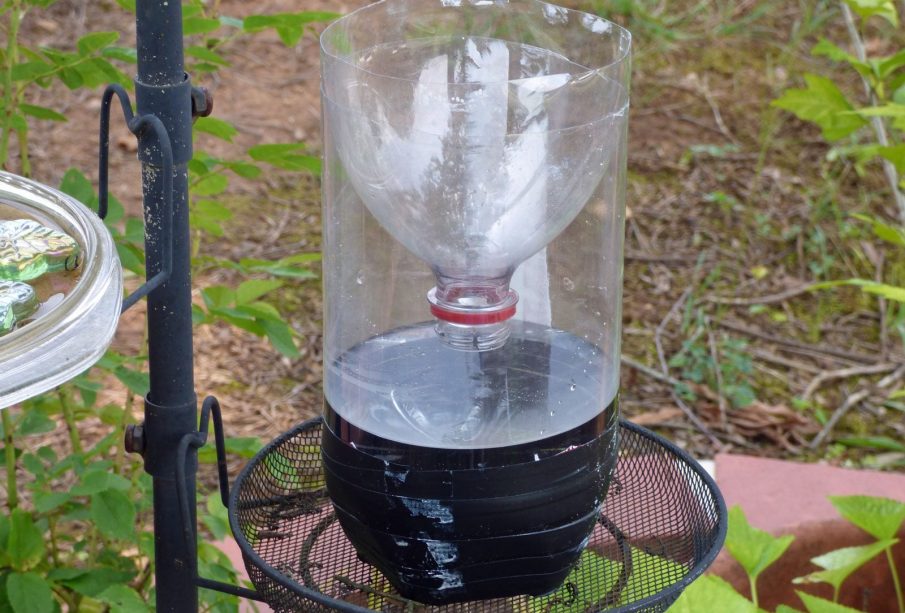
If you’re dealing with a pest problem, a “homemade wasp trap“ can be made in under five minutes. Cut the top third off a plastic bottle, flip it upside down, and nestle it into the bottom. Fill the base with sugar water or a bit of soda. Wasps fly in through the funnel but can’t find their way out. This is a chemical-free, zero-cost way to reclaim your yard during the summer months.
The trap works by luring wasps in with sweet bait. Once inside the inverted bottle neck, they cannot figure out how to fly back out. Here is how to make one properly.
What You Will Need
- 1 empty 2-liter plastic bottle (or any large bottle)
- A knife or scissors
- Your chosen bait (see bait table below)
- A piece of tape or stapler to seal the seam
- String or wire to hang it (optional)
Step-by-Step Instructions
- Cut the bottle about one-third from the top – right where it starts to taper into the neck.
- Flip the top section upside down so the bottle opening faces downward, like a funnel inside the base.
- Pour your chosen bait into the base – about 2 to 3 inches deep.
- Tape or staple the two sections together around the edge so they do not separate.
- Poke two small holes at the top to thread string through if you want to hang it from a tree or fence post.
- Place or hang the trap away from seating areas – wasps are attracted to it, not repelled.
Best Bait Options by Season
|
Bait |
Best Season |
Why It Works |
Notes |
|
Sweet soda (Mountain Dew, Fanta) |
Spring / Summer |
High sugar attracts worker wasps |
Do not use diet soda |
|
Sugar water + vinegar |
All seasons |
Vinegar deters bees, targets wasps |
Best all-around bait |
|
Meat or lunch meat scraps |
Late Summer / Fall |
Wasps shift to protein in cooler months |
Smells – keep away from sitting areas |
|
Beer or wine |
Summer |
Fermented smell attracts wasps fast |
Cheap wine works fine |
Where to Place Your Trap
Placement makes a big difference. Here is what works:
- Hang it at least 10 feet away from where people sit or eat – you are luring wasps TO the trap, so do not put it next to your barbecue
- Near trash cans or compost bins – that is where wasps tend to scout
- In the shade – direct sun dries out the bait too quickly
- At waist to shoulder height – wasps fly low to the ground when foraging
Does It Actually Work?
Honest answer: yes, but it is not a silver bullet. A homemade wasp trap will significantly reduce the number of wasps flying around your outdoor space. It works best when you use the right bait for the season and keep it fresh – replace the bait every 3 to 5 days.
If you have a full wasp nest nearby, the trap alone will not eliminate the colony. In that case, you may need to treat the nest directly or call a pest control professional. But for general outdoor wasp control, this DIY method holds up really well.
Safety Tips
- Wear gloves when handling the trap – dead wasps inside can still sting
- Empty and replace bait regularly so the trap stays effective
- Do not place traps near vegetable gardens – you might accidentally catch beneficial pollinators
- If you are allergic to wasp stings, keep your distance and let someone else handle trap maintenance