Best Tile Floor Cleaner: Right Product for Every Tile Type
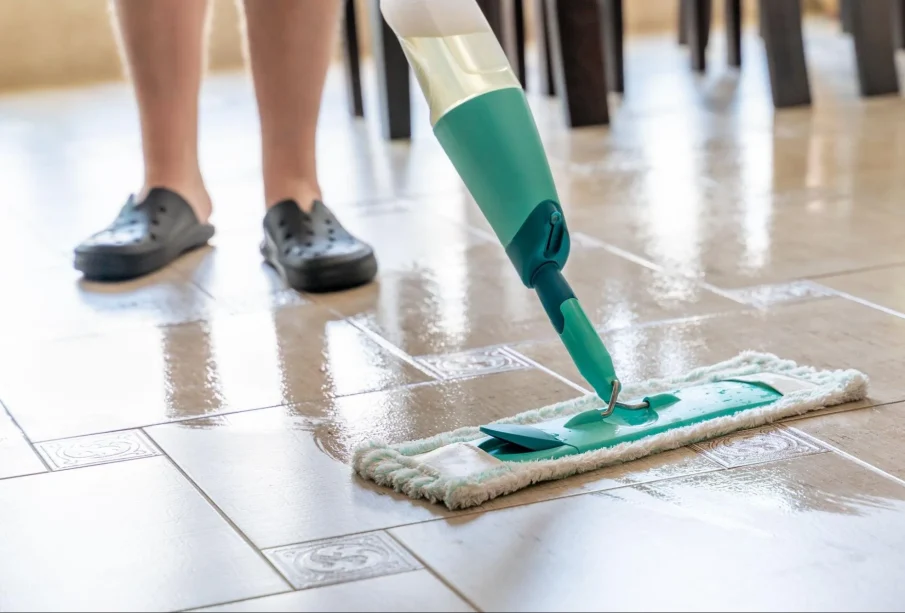
The “best tile floor cleaner“ depends entirely on the material. For ceramic or porcelain, Bona Hard-Surface or Zep Neutral Cleaner are excellent. However, if you have natural stone like marble or travertine, never use vinegar or acidic cleaners as they will etch the surface. Instead, use a pH-neutral cleaner like Black Diamond Stoneworks to keep the stone protected and shiny.
Using the wrong cleaner is one of the most common reasons tile looks dull over time. This guide breaks it down by tile type, grout care, and what to absolutely avoid.
Know Your Tile Before You Buy a Cleaner
|
Tile Type |
Characteristics |
What It Needs |
Avoid |
|
Ceramic |
Glazed surface, common in kitchens |
Mild all-purpose cleaner |
Abrasive scrubbers |
|
Porcelain |
Denser than ceramic, less porous |
Neutral pH cleaner |
Bleach (causes discoloration) |
|
Natural Stone (Marble, Travertine) |
Porous, acid-sensitive |
pH-neutral stone cleaner only |
Vinegar, lemon, acidic cleaners |
|
Slate |
Rough texture, stain-prone |
Neutral cleaner + sealer |
Soap buildup cleaners |
Top Tile Floor Cleaners Compared
|
Product |
Best For |
Form |
pH Safe |
Safe on Grout |
|
Bona Hard-Surface Cleaner |
Ceramic & porcelain |
Spray |
Yes |
Yes |
|
Zep Neutral Floor Cleaner |
All tile types |
Concentrate |
Yes |
Yes |
|
Black Diamond Stoneworks |
Natural stone only |
Spray |
Yes (neutral) |
Gentle yes |
|
Rejuvenate All Floors Cleaner |
All tile, including slate |
Spray |
Yes |
Yes |
|
Lysol Multi-Surface Cleaner |
Ceramic (disinfecting) |
Spray |
Slightly acidic |
Occasional use only |
DIY Tile Cleaner Recipe That Actually Works
For everyday ceramic or porcelain tile, this homemade solution is surprisingly effective and costs almost nothing:
- 1 gallon warm water
- 1/4 cup white vinegar (ceramic/porcelain only – NOT for stone)
- 1 tablespoon dish soap (choose a grease-cutting formula)
Mix and mop as usual. The dish soap cuts grease, and vinegar helps remove mineral deposits from hard water. Rinse with clean water afterward to avoid soap residue buildup.
What NOT to Use on Tile Floors
- Vinegar or citrus-based cleaners on natural stone – they etch and permanently dull the surface
- Bleach regularly – it weakens grout over time and can cause color fade
- Steam mops on natural stone – the heat and moisture penetrate the pores and cause damage
- Oil-based soaps on glossy tile – they leave a film that attracts dirt faster
Grout Cleaning: The Step Everyone Skips
Clean tile can still look dirty if the grout lines are dark or stained. Here is a quick grout-cleaning method that requires no special products:
- Make a paste with baking soda and water
- Apply along grout lines with an old toothbrush
- Spray white vinegar over the paste – it will fizz
- Scrub and rinse after 5 minutes
For heavily stained grout, a dedicated grout cleaner like Soft Scrub with Bleach (on light grout only) or a grout pen for touch-up can make a dramatic difference.
How Often Should You Clean Tile Floors?
|
Task |
Frequency |
Why It Matters |
|
Sweep or vacuum |
Every 2-3 days |
Prevents grit from scratching the glaze |
|
Mop with cleaner |
Once a week |
Removes buildup before it hardens |
|
Deep clean grout |
Monthly |
Prevents permanent staining |
|
Seal natural stone |
Annually |
Protects porous surface from stains |