5 Reasons Regular Vacuuming Is Not Enough for Sofa Deep Cleaning
Key Takeaways
- Surface vacuuming removes loose debris but cannot reach the deeper foam where allergens accumulate over time.
- Liquid spills sink below the fabric layer and require extraction methods to prevent lingering odours.
- Deep cleaning removes embedded grit that gradually weakens upholstery fibres.
Introduction
Many households rely on routine vacuuming to maintain their furniture, especially when visible dust builds up. While this habit helps with general upkeep, it does not replace sofa deep cleaning when deeper contaminants settle into upholstery layers. Sofas absorb oils, moisture, airborne particles, and daily wear in ways that standard household tools cannot fully address. Understanding why vacuuming alone falls short helps homeowners recognise when deeper care becomes necessary.
1. Body Oils Gradually Bond with Dust
Every day use naturally transfers skin oils and perspiration onto upholstery. These substances cling to fabric fibres and gradually bind with airborne dust. Over time, the surface may appear clean after vacuuming, yet the residue remains embedded within the material.
Professional sofa deep cleaning methods target these oily deposits through specialised detergents or extraction systems that loosen and remove the residue from deeper layers. This process restores fabric freshness and prevents gradual darkening that occurs when oils continue to collect dust.
2. Moisture Can Linger Inside Cushions
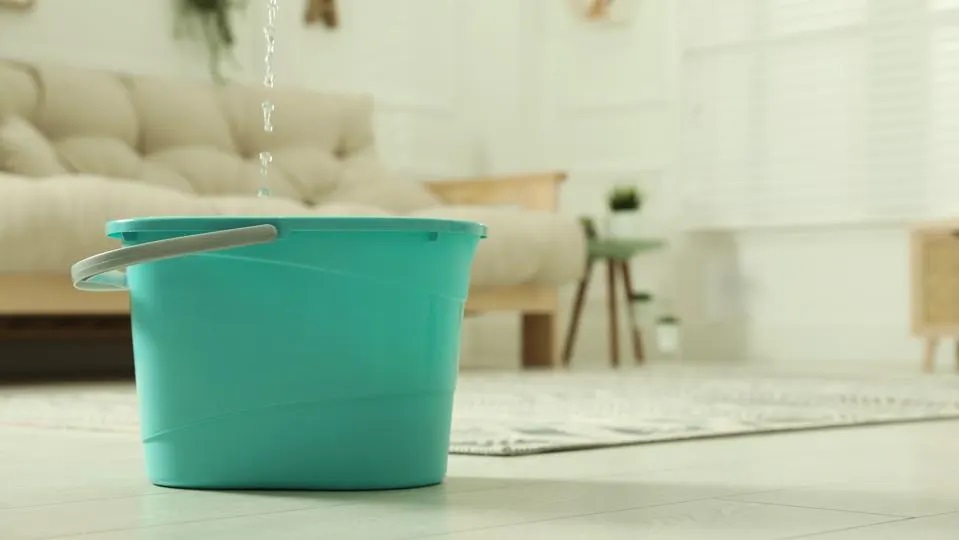
Humidity plays a significant role in upholstery hygiene, particularly in environments where moisture levels remain high. Small spills, condensation, or damp clothing can allow moisture to slip between the upholstery fabric and internal foam.
A vacuum cleaner cannot reach this hidden layer, and trapped moisture may encourage microbial growth over time. Sofa deep cleaning addresses this issue through controlled moisture treatment and extraction, which removes dampness from within the cushion structure before it creates long-term hygiene problems.
3. Persistent Odours Come from Embedded Particles
Household sofas easily absorb odours from daily life. Cooking aromas, pet smells, and environmental pollutants settle into the porous fibres of upholstery. Vacuuming moves loose particles across the surface but cannot extract the microscopic compounds responsible for persistent smells.
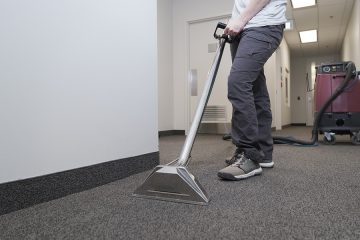
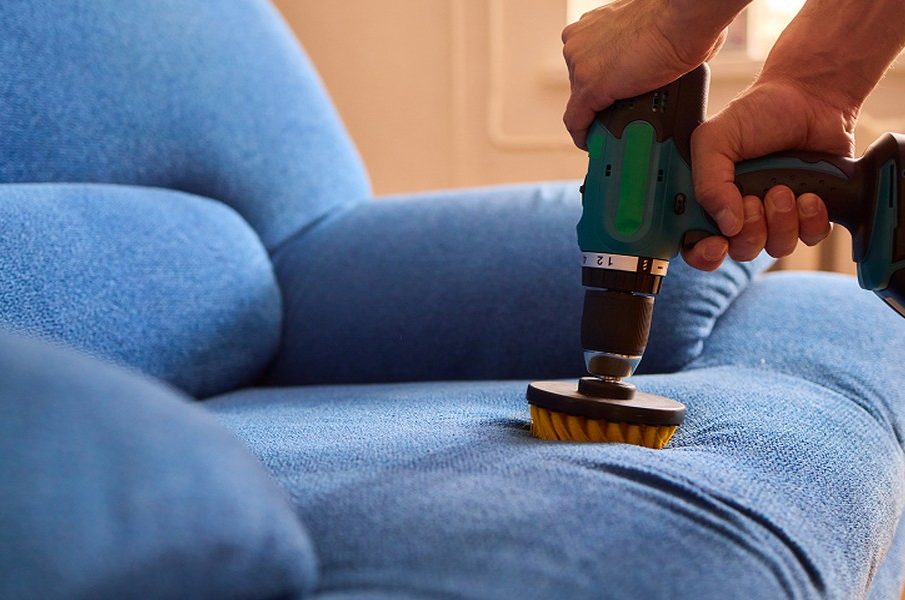
Sofa deep cleaning works differently because specialised equipment lifts particles from within the fibres rather than simply shifting them across the fabric. A sofa cleaning service in Singapore uses extraction-based methods that remove these trapped contaminants completely. Once removed, the upholstery regains a neutral scent, and the surrounding living space feels noticeably fresher.
4. Dust Mites Thrive in Upholstered Furniture
Soft furnishings provide an ideal environment for dust mites because they offer warmth and steady human contact. These microscopic organisms thrive in places where skin flakes and organic debris collect. While vacuuming reduces visible dust, it does little to eliminate the deeper conditions that allow mites to remain.
Sofa deep cleaning uses higher temperature processes and extraction techniques that disrupt the environment mites depend on. Removing the buildup within the upholstery layers helps maintain better indoor hygiene for households that spend significant time in shared living areas.
5. Fine Grit Gradually Damages Fabric Fibres
Many people focus on surface cleanliness without noticing the slow impact of fine abrasive particles trapped within upholstery. Tiny grains of dust and grit settle into fabric weaves and move each time someone sits down. This repeated friction slowly weakens the fibres and contributes to thinning, fading, or pilling.
Sofa deep cleaning removes this embedded debris before it continues to grind against the material. With fewer abrasive particles trapped inside the upholstery, the sofa retains its colour and structure for longer, helping furniture maintain its appearance throughout years of daily use.
Conclusion
Vacuuming remains an important part of regular furniture maintenance because it removes loose dust and keeps upholstery looking tidy between deeper cleaning sessions. However, sofas experience constant exposure to oils, moisture, odours, allergens, and microscopic debris that gradually settle below the surface. These hidden layers affect hygiene and upholstery condition even when the furniture appears clean at first glance. Recognising the limits of routine vacuuming helps homeowners plan periodic sofa deep cleaning that removes buildup from within the cushions and fibres. When performed at sensible intervals, this deeper maintenance supports healthier indoor spaces and helps preserve furniture quality over time.
Contact Clean Off to schedule a professional sofa deep cleaning service in Singapore that removes hidden buildup and restores your upholstery safely.