5 Factors That Matter More Than Price When Choosing the Best Ergonomic Chair

Key Takeaways
- The best ergonomic chair must allow lumbar height and depth adjustment so the lower back stays supported throughout posture changes.
- Seat depth adjustment protects circulation by maintaining proper thigh support and preventing pressure behind the knees.
- Synchronised tilt and multi-directional armrests maintain spinal alignment and shoulder relaxation during long hours at a desk.
Introduction
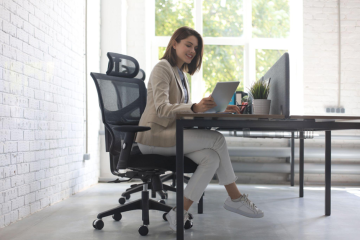
A low price tag often attracts attention when selecting system furniture for an office. Many chairs look similar at first glance, especially in shared workspaces where black mesh and standard frames dominate. However, chairs differ in how they support posture during eight to ten hours of seated work. The best ergonomic chair protects the spine, maintains circulation, and reduces muscular strain throughout the day. When choosing ergonomic seating, Singapore offices rely on five structural factors that matter more than cost.
1. Adjustable Lumbar Support That Matches Your Spine
Lower back support determines how the spine holds its natural curve during prolonged sitting. A fixed plastic lumbar bar presses into one point of the back regardless of body shape. This design forces the user to adapt to the chair instead of the chair adapting to the user. An adjustable lumbar system allows vertical movement so the support aligns with the natural curve of the lower spine.
Depth adjustment also plays a critical role. Users with deeper lumbar curves need firmer contact, while others require lighter pressure. A well-designed adjustable office chair allows fine control over this tension. When lumbar support moves with posture changes, the lower back remains supported whether the user leans forward to type or sits upright during meetings.
2. Seat Depth That Preserves Circulation
Seat depth affects thigh support and blood flow behind the knees. A seat that extends too far presses into the back of the legs and restricts circulation. A seat that is too short leaves the thighs unsupported and increases pressure on the hips. Both situations create discomfort that builds gradually during the workday.
The best ergonomic chair includes a sliding seat pan. This mechanism allows the user to create a small gap between the edge of the seat and the back of the knees. Proper spacing distributes body weight evenly across the thighs and reduces strain on the lower limbs. In offices where multiple users share the same system furniture layout, adjustable seat depth becomes essential rather than optional.
3. Synchronised Tilt That Maintains Alignment
Reclining should reduce pressure on the spine, not destabilise the lower body. Basic chairs tilt the seat and backrest at the same angle. This design often lifts the feet slightly off the floor and shifts weight into the thighs. Over time, this position strains the hamstrings and lower back.
A synchronised tilt mechanism solves this problem by allowing the backrest to recline at a greater angle than the seat. This movement opens the hip angle while keeping the feet grounded. The pelvis remains supported, and the spine maintains alignment during motion. When evaluating the best ergonomic chair, check whether the recline system preserves posture instead of disrupting it.
4. Armrests That Adapt to Desk Height and Shoulder Width
Armrests influence shoulder tension more than most users realise. Fixed armrests push shoulders upward if they sit too high. If they sit too low, the user leans forward to compensate, increasing strain on the neck and upper back.
A high-quality adjustable office chair offers armrests that move vertically, horizontally, and forward or backward. Some models allow the arm pads to pivot inward or outward to support different typing angles. This flexibility supports the forearms while keeping the shoulders relaxed. In open-plan offices where desks vary in height, adaptable armrests ensure ergonomic seating that Singapore workplaces require for consistent posture.
5. Durable Mesh That Supports Weight Without Sagging
Material quality affects comfort over months and years of use. Low-grade mesh stretches and loses tension with repeated loading. As the seat sags, the user’s hips sink lower than the knees. This position tilts the pelvis backward and reduces lumbar support.
The best ergonomic chair uses high-tension mesh that holds its shape under daily use. Firm support keeps the hips level and distributes weight evenly across the seat. In Singapore’s humid climate, breathable mesh also improves airflow and reduces heat buildup. A stable seating surface maintains posture throughout the workday and supports long-term spinal health.
Conclusion
Cost influences procurement decisions, yet structure determines daily comfort and long-term health. An office chair supports the body for more hours than most other pieces of system furniture. Adjustable lumbar systems, proper seat depth, synchronised tilt, adaptable armrests, and durable mesh define the best ergonomic chair more clearly than price alone. When selecting ergonomic seating Singapore professionals use every day, focus on features that maintain posture and circulation rather than upfront savings.
To schedule a test-sit and determine which ergonomic chair best suits your workspace planning requirements, get in touch with Ergoworks.