What Defines Contemporary Classic Interior Design in Modern Homes
Key Takeaways
- Contemporary classic style blends timeless detailing with clean modern lines
- Neutral palettes, subtle mouldings, and curated décor define the look
- Balance is key: elegance without excess, comfort without clutter
- Smart spatial planning makes it ideal for interior design for residential homes
- Contemporary classic interior design in Singapore suits both condos and landed properties
Introduction
Walk into a well-designed home, and there’s often a quiet confidence about it. Nothing screams for attention, yet everything feels intentional. That subtle harmony is what many homeowners are drawn to when exploring contemporary classic interior design in Singapore. It is not flashy. It is not overly ornate. It sits comfortably between old-world elegance and present-day practicality.
For many families considering interior design for residential spaces, the challenge lies in creating a home that feels refined yet livable. Contemporary classic style answers that tension beautifully. It respects tradition but trims the excess. It embraces modern living but keeps a sense of heritage. So what truly defines this aesthetic, and why has it become so popular across Singapore’s condos and landed homes?
Where Classic Meets Contemporary
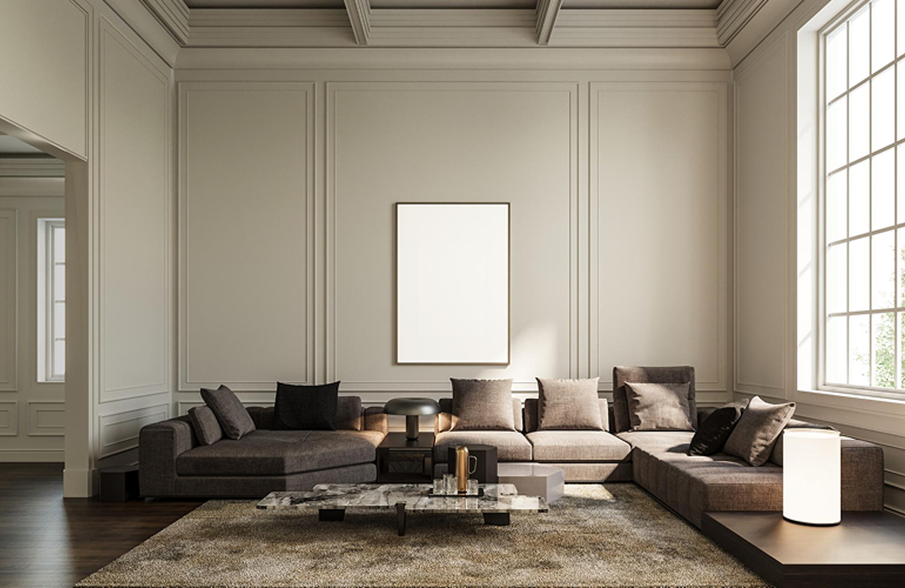
At its core, contemporary classic design is a balancing act. Traditional European-inspired details such as wall panelling, cornices, and symmetrical layouts are paired with cleaner silhouettes and lighter colour schemes. Think Parisian apartment charm, but simplified for tropical living.
In many projects featuring contemporary classic interior design in Singapore, decorative mouldings are kept shallow rather than elaborate. Ceiling roses may appear, yet they are subtle. The result feels polished but not overwhelming. It is elegance with restraint.
This approach works especially well in local homes where space matters. A four-room HDB flat, for instance, cannot carry heavy Victorian ornamentation without feeling cramped. By refining classic details, designers ensure that the home breathes.
The Colour Story: Calm, Layered, Intentional
Colour plays a quiet but powerful role. Soft neutrals dominate: warm whites, taupe, greige, muted blush, even a whisper of sage. Dark tones are used sparingly, often in cabinetry or accent furniture, to ground the space.
This palette suits Singapore’s natural light. Large windows in condos at places like Orchard or Tampines allow daylight to wash over textured walls and marble-inspired surfaces. The effect is serene, almost hotel-like, yet still personal.
For interior design for residential projects, this layered neutrality offers flexibility. Homeowners can change cushions, artwork, or even a statement armchair from brands like Castlery or Crate & Barrel without disrupting the overall harmony. The base remains timeless.
Details Matter, But So Does Restraint
Here’s where many get it wrong. Classic design often tempts people to add more: more gold, more carving, more patterns. Contemporary classic says pause.
Yes, there may be brass handles or a crystal chandelier. But they are chosen carefully. A single sculptural light fixture can anchor a dining room; it does not need competition. Upholstery leans towards velvet, linen, or soft leather, yet patterns stay subtle.
In contemporary classic interior design in Singapore, cabinetry frequently features shaker-style doors. They nod to tradition but maintain clean lines. The message is clear: refinement over decoration.
Comfort Is Not an Afterthought
A home must be lived in. That may sound obvious, but some elegant interiors forget this simple truth. Contemporary classic style does not.
Deep sofas, generous dining tables, and practical storage solutions are integrated seamlessly. Built-in cabinets often hide away daily clutter. Window treatments soften glare without blocking ventilation, which is essential in Singapore’s humid climate.
Interior design for residential spaces today must consider real life. Children running around, guests dropping by during Chinese New Year, quiet evenings with Netflix. The design supports these moments rather than standing apart from them.
Spatial Planning: The Unsung Hero
Beyond finishes and furniture, layout defines success. Contemporary classic homes often favour symmetry. Sofas face each other. Dining chairs are evenly spaced. Art is centred. This symmetry creates calm.
Yet modern needs reshape traditional layouts. Open-concept kitchens merge with living areas. Study corners are carved out of unused niches. In contemporary classic interior design in Singapore, designers frequently use glass partitions with slim black frames to define space without blocking light.
It is a subtle evolution of classic order adapted for compact urban living. Structure remains, but flexibility enters the picture.
A Style That Ages Gracefully
Trends come and go. Scandinavian minimalism had its moment. Industrial loft aesthetics filled Pinterest boards. Some linger; others fade. Contemporary classic, however, holds steady.
Why? Because it avoids extremes. It is neither stark nor overly ornate. It feels appropriate today and likely will ten years from now. That sense of longevity appeals strongly to homeowners investing significantly in renovation.
When choosing interior design for residential properties, many Singaporeans consider resale value too. A well-executed contemporary classic scheme tends to attract broad appeal. It feels familiar yet refined, which is often exactly what buyers want.
Subtle Luxury, Local Context
Luxury in this context is quiet. Marble-look porcelain tiles instead of real marble to handle humidity. Engineered wood flooring for durability. Tailored curtains measured precisely to skim the floor.
These choices reflect how contemporary classic interior design in Singapore adapts to climate and lifestyle. It is not about copying a European townhouse wholesale. It is about translating its spirit into something practical for Southeast Asia.
And yes, there is emotion involved. Walking into a space with gentle wall mouldings, warm lighting, and plush seating can feel reassuring. Like slipping into a well-tailored jacket. Not loud, not trendy, just right.
Conclusion
Contemporary classic design thrives on balance. It blends tradition with simplicity, detail with restraint, elegance with everyday comfort. Through thoughtful material choices, calm colour palettes, and smart layouts, it creates homes that feel composed and welcoming at once.
For homeowners exploring interior design for residential projects, this style offers something rare: longevity without boredom, sophistication without stiffness. Contemporary classic interior design in Singapore continues to resonate because it adapts gracefully to modern living while holding onto timeless charm.
To bring this refined yet livable aesthetic into a home, contact M2 Decor and start shaping a space that feels elegant, enduring, and distinctly yours.