Strange Aircon Noises and What They Usually Mean
Key Takeaways
- Unusual noises from an air conditioner often signal mechanical or airflow issues that should not be ignored.
- Common sounds such as buzzing, rattling, or grinding usually indicate specific component problems.
- Early diagnosis can prevent minor faults from turning into costly system failures.
- Professional aircon repair in Singapore can quickly identify and resolve these noise-related issues.
- Regular servicing helps maintain quieter operation and longer equipment lifespan.
Introduction
Air conditioners are designed to run quietly in the background, providing cooling without drawing attention. However, when unusual noises begin to appear, it is usually a sign that something inside the system is no longer functioning correctly. These sounds can range from subtle buzzing to loud grinding or banging noises, and each type often points to a different issue within the unit.
Ignoring these sounds can lead to worsening mechanical problems, higher energy consumption, and eventual system failure. Knowing what these noises mean allows homeowners and office managers to take action early. Many cases requiring aircon repair in Singapore begin with a customer noticing a sound that was not previously present.
Buzzing Sounds
A buzzing sound is one of the most frequently reported complaints from air conditioning users. This noise usually indicates an electrical issue or a component that is not properly secured.
Inside the unit, parts such as contactors, relays, and capacitors control the electrical flow that powers the compressor and fan motors. Once these components begin to wear out or malfunction, they can produce a buzzing sound during operation. Another possible cause is loose wiring or a vibrating panel that has come slightly out of alignment.
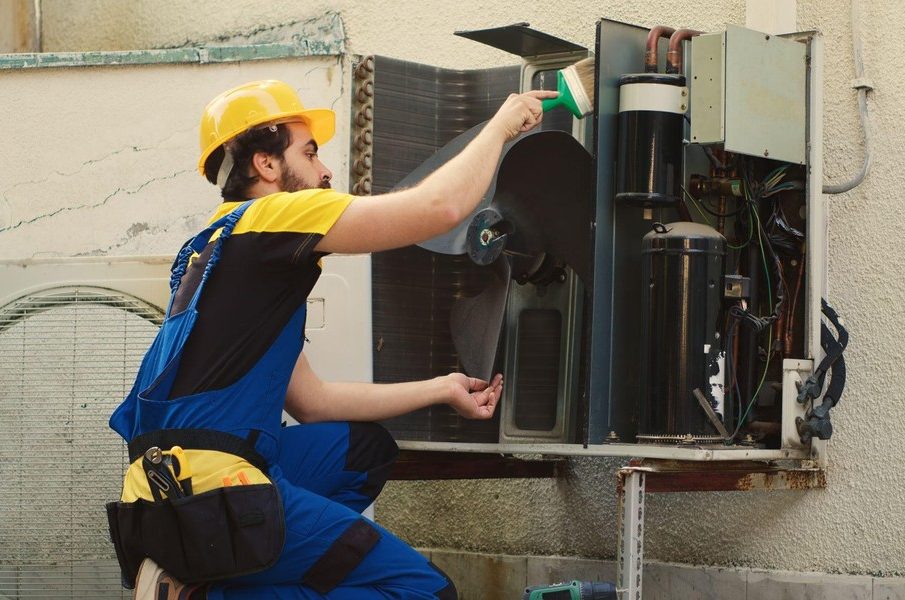
Additionally, in some situations, debris trapped in the outdoor condenser unit can also create a buzzing or vibrating sound as the fan spins. Leaves, small branches, or dirt may interfere with airflow or fan blades. Once this happens, technicians performing air conditioning repair often begin by inspecting both electrical components and physical obstructions inside the unit.
Rattling Noises
Rattling noises usually suggest that something inside the system is moving when it should not be. This noise can happen when screws loosen, mounting brackets shift, or panels become slightly detached after long-term use.
Another common cause is debris inside the condenser unit. Outdoor air conditioners are exposed to environmental elements, which means small stones, dried leaves, or other objects can enter the housing. Once the fan operates, these items may move around and create a rattling sound.
Although a rattling sound may seem minor at first, it should not be ignored. Loose components can gradually damage nearby parts or cause additional vibration that stresses the entire system. Professional inspection and aircon repair services are often required to identify the exact source and secure the affected components.
ALSO READ: Common Daikin Air Conditioner Fault Codes and How to Troubleshoot Them
Grinding Sounds
Grinding noises are more serious and usually indicate mechanical wear inside the air conditioning unit. This sound often comes from worn bearings in the fan motor or compressor.
Fan motors rely on smooth rotational movement to circulate air efficiently. Once bearings begin to deteriorate, friction increases and produces a grinding or scraping sound during operation. If the issue is not addressed promptly, the motor may overheat or seize completely.
Grinding sounds can also originate from the compressor. Since the compressor is one of the most expensive components of the air conditioning system, early diagnosis is critical. Technicians specialising in aircon repair in Singapore typically inspect the motor assembly, lubrication condition, and compressor health when this type of noise occurs.
Clicking or Banging
Clicking noises may occur when the air conditioner starts or stops. A single click is normal because relays engage during the startup process. However, repeated clicking can indicate a faulty capacitor or electrical control issue.
On the other hand, banging sounds usually suggest a loose or damaged internal component. A disconnected compressor part, broken fan blade, or unbalanced motor assembly can produce a sudden banging noise when the system runs.
These noises often signal that internal components are under stress. Continued operation may worsen the damage and lead to more extensive repairs. Due to this reason, many homeowners seek air conditioning repair immediately after hearing loud or repetitive banging sounds.
Conclusion
Unusual noises from an air conditioner rarely occur without reason. Buzzing, rattling, grinding, clicking, and banging sounds each point to specific problems within the system, ranging from loose components to serious mechanical wear. Identifying these sounds early allows issues to be addressed before they escalate into costly repairs or complete equipment failure.
Professional diagnostics play an important role in resolving these problems effectively. Technicians trained in aircon repair in Singapore can inspect electrical systems, mechanical components, and airflow conditions to locate the exact cause of the noise. Regular maintenance and timely repairs remain the most reliable way to ensure quiet, efficient, and long-lasting air conditioner performance.
Visit Cool Channels Engineering and restore quiet, reliable cooling before a small issue turns into an expensive breakdown.