A Homeowner’s Guide to Fabric Laminates and Showroom Strategies You Need to Know
Key Takeaways
- Visiting a laminates showroom helps identify material limitations before final decisions are made.
- Fabric laminates offer unique textures but require careful selection for durability and use.
- Design setbacks reveal gaps in planning, material choice, or application.
- Turning early mistakes into strategy leads to better long-term results.
Introduction
Every design project begins with a vision. Yet, once materials are introduced into real environments, that vision can shift. Colours may appear different under lighting, textures may not align with practical use, and durability may not meet expectations. This is particularly relevant when working with fabric laminates, which combine aesthetic appeal with functional surfaces. While visually distinctive, they can present challenges if not properly understood. By understanding where things go wrong, it becomes possible to develop a more strategic approach to material selection.
Why Setbacks Are Common in Material Selection
A surface that looks suitable in a catalogue may behave differently in actual conditions, particularly when exposed to varying levels of use, light, or humidity. For fabric laminates, the combination of textile-like finishes with laminate backing introduces both advantages and considerations. Their suitability depends on how and where they are used. A visit to a laminates showroom allows designers and clients to assess these factors more realistically.
From Aesthetic Focus to Functional Awareness
Selecting fabric laminates for high-traffic areas without considering wear resistance can lead to premature deterioration. By recognising this limitation, designers can adjust their approach, reserving such materials for areas where they can perform effectively. Exploring options in a laminates showroom helps shift the focus from purely visual choices to more informed decisions that consider both form and function.
Reassessing Material Compatibility
Differences in texture, colour, or finish can create inconsistencies that affect the overall design. Without careful coordination, the result may feel disjointed rather than cohesive. A laminates showroom provides the opportunity to compare materials side by side, making it easier to identify combinations that complement each other. This hands-on approach reduces the likelihood of mismatched designs.
Adapting to Environmental Conditions
Environmental factors often reveal weaknesses in material choices. Certain finishes may appear vibrant under showroom lighting but look muted in natural light. Similarly, humidity can affect the longevity of some materials if they are not suited to the environment. By testing fabric laminates in a laminates showroom, it becomes possible to anticipate these changes and select options that remain consistent under different conditions.
The Role of Showroom Experience in Better Decisions
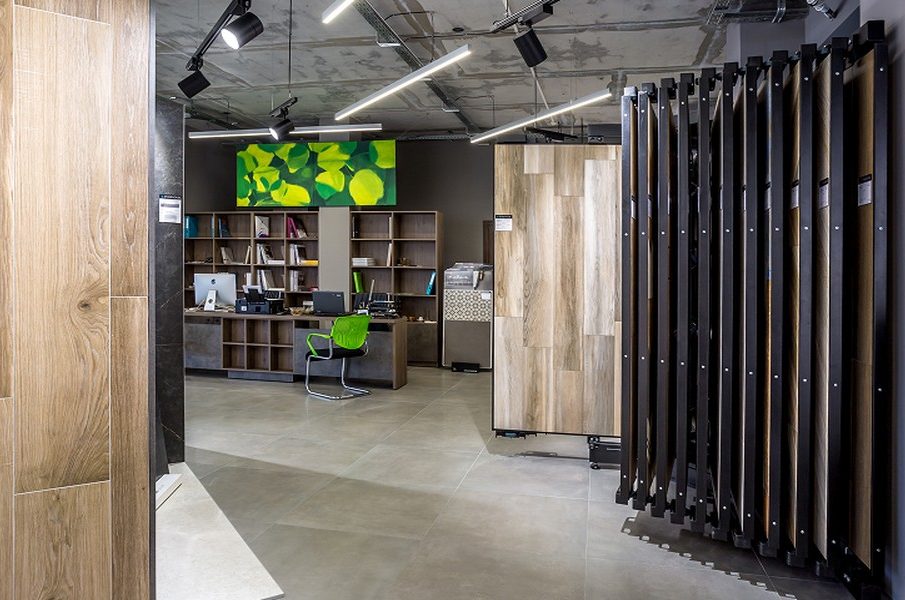
A laminates showroom acts as a practical environment for evaluating materials. Physical interaction with surfaces allows for a deeper understanding of texture, weight, and finish. This experience is particularly valuable for fabric laminates, where tactile qualities play a significant role. Feeling the surface helps determine whether it aligns with the intended use, whether for decorative panels, feature walls, or furniture applications.
Balancing Creativity with Practical Constraints
Materials that look appealing may not always meet the demands of specific environments. Fabric laminates illustrate this balance well. Their unique textures can enhance visual interest, but they must be applied in ways that support their strengths rather than expose their limitations. This balance ensures that the final design remains both visually engaging and functional.
Learning Through Iteration
Setbacks are not uncommon in design projects, but they provide valuable learning opportunities. Each challenge highlights areas where assumptions may need to be adjusted. By analysing these outcomes, designers can refine their selection process and avoid similar issues in future projects. Regular visits to a laminates showroom support this iterative approach, allowing for continuous evaluation and improvement. Over time, this leads to more efficient and effective decision-making.
Designing with Long-Term Performance in Mind
Short-term visual impact is important, but long-term performance is equally critical. Fabric laminates, when chosen appropriately, can offer both aesthetic and functional benefits. By considering factors such as usage, cleaning requirements, and environmental exposure, it becomes possible to select materials that align with long-term goals. A laminates showroom provides the context needed to make these assessments.
Conclusion
Design setbacks can also serve as valuable insights. By identifying where things go wrong, it becomes possible to refine strategies and improve outcomes. Visiting a laminates showroom plays a key role in this process, offering a clearer understanding of material behaviour and compatibility. At the same time, working with fabric laminates requires a balanced approach that considers both aesthetics and practicality. By turning setbacks into strategy, designers and clients can create spaces that are durable and well-suited to their intended use.
Facing design uncertainties or material mismatches? Contact Jennings Laminates and turn those challenges into informed, confident decisions for your next project today.