Low-Cost Low-Maintenance Front Yard Landscaping Ideas for Busy Homeowners
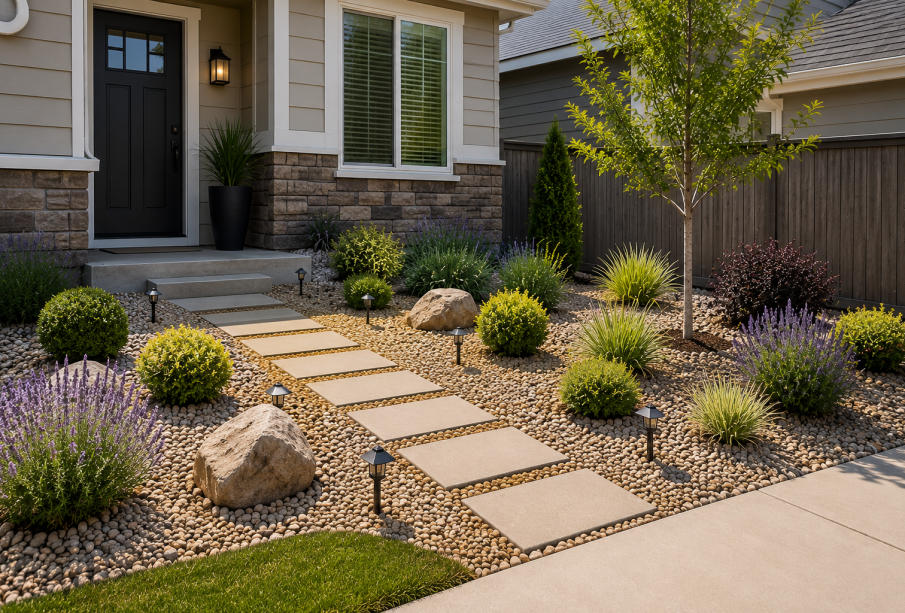
Low-cost, low-maintenance front yard landscaping combines native or drought-tolerant plants, mulched beds, and a smaller lawn footprint to cut both water use and weekly upkeep. Most homeowners spend $1,500 to $5,000 on a full front yard refresh in 2026, with simple mulch-and-plant updates starting around $500.
A great-looking front yard shouldn’t demand a weekend every month or drain your savings. If you’re tired of mowing, watering, and replacing plants that die every summer, there’s a smarter way to design your yard.
This guide covers the plants, layouts, and cost-saving strategies that actually reduce ongoing work, based on current landscaping industry data and expert-backed plant recommendations.
Why Low-Maintenance Landscaping Works for Busy Schedules
A traditional lawn-heavy front yard needs weekly mowing, seasonal fertilizing, and constant watering to look presentable. That’s a lot of recurring labor for something that mostly just needs to look good from the street.
Low-maintenance landscaping flips that approach. The goal is a yard that mostly takes care of itself once it’s established, using fewer high-upkeep plants and less exposed soil for weeds to take hold in.
There’s a financial upside too. Ongoing landscape maintenance in the U.S. typically runs $100 to $200 per month for basic upkeep. A yard designed to need less regular care can cut that recurring cost significantly over time.
How Much Does Front Yard Landscaping Cost?
Front yards are considerably cheaper to landscape than backyards, mostly because they’re smaller and involve less elaborate hardscaping. Most 2026 industry cost guides place full front yard projects between $1,500 and $5,000, or roughly $4 to $12 per square foot depending on design complexity.
| Project Type | Typical Cost Range |
| Basic mulch and plant refresh | $500 – $1,835 |
| Full planting plan (shrubs, perennials) | $1,500 – $3,000 |
| Installed planting beds | $3 – $15 per sq. ft. |
| Xeriscaping (drought-tolerant) | $5 – $20 per sq. ft. |
| Monthly maintenance (if hired) | $100 – $200 per month |
Labor typically makes up around 80% of any professional landscaping bill. That’s why DIY-friendly, low-maintenance designs save so much: fewer materials that need ongoing professional attention means fewer future service calls.
Front Yard Landscaping Ideas That Cut Cost and Upkeep
Shrink the Lawn Footprint
Grass is the most demanding part of most yards, requiring weekly mowing, regular watering, and seasonal fertilizer. Reducing your lawn area, even by a third, meaningfully cuts both your water bill and your weekend workload. Many homeowners keep a small strip near the entryway and replace the rest with mulched beds or groundcover.
Mulch and Gravel Instead of Bare Soil
Bare soil invites weeds. A 2 to 3 inch layer of mulch blocks sunlight from weed seeds and retains moisture. Mulch costs $15 to $65 per cubic yard delivered, and one cubic yard covers about 110 to 120 square feet at a 3 inch depth, making it one of the most cost-effective upgrades available. Gravel works similarly in drier climates and never needs the annual replacement organic mulch does.
Choose Native and Drought-Tolerant Plants
Native plants are adapted to local rainfall and soil, so they need far less watering, fertilizing, and pest treatment than imported ornamental species. Reliable, widely available options for U.S. front yards include:
- Lavender – thrives in full sun and dry soil with almost no water once established
- Russian sage – tolerates poor soil and drought while adding texture and color
- Coneflower (Echinacea) – a tough native perennial that handles heat and dry spells
- Sedum – a succulent groundcover that stores its own water
- Creeping thyme – a low groundcover that tolerates foot traffic
For trees, smaller options like crape myrtle and eastern redbud provide shade and seasonal interest without heavy pruning needs.
Group Plants by Water Needs
An expert-backed principle worth following: group plants into zones by how much water they need rather than scattering thirsty and drought-tolerant species throughout the same bed. This lets you water efficiently instead of soaking the entire yard uniformly.
Add a Basic Drip Irrigation System
For any plantings that do need regular water, a simple drip system delivers water directly to the roots instead of spraying the whole yard. Paired with drought-tolerant plants, this kind of xeriscaping approach can reduce outdoor water use by 50 to 75 percent compared to a traditional all-lawn yard.
Pros and Cons of Low-Maintenance Landscaping
Pros:
- Far less time spent mowing, weeding, and watering
- Lower water bills, especially with native plant choices
- Lower long-term costs since hardy plants need less frequent replacement
- Can boost home value, with landscaping capable of increasing property value by up to 7%
Cons:
- Still requires an upfront investment, even for modest projects
- Some native plants take a full growing season to fill in and look established
- Gravel-heavy designs may look sparse in year one
- Some HOAs restrict full lawn removal, so it’s worth checking local rules first
DIY or Hire a Professional?
Many low-maintenance projects are genuinely DIY-friendly: mulching, planting perennials, and installing gravel paths can usually be handled over a weekend. Larger tasks like grading or irrigation design typically benefit from professional expertise to avoid drainage problems down the line. A common middle ground is hiring a pro for the initial design and trickier installation work, then handling ongoing mulch top-offs yourself.
Frequently Asked Questions
What is the cheapest way to landscape a front yard?
The cheapest approach combines mulch, a reduced lawn footprint, and low-cost native perennials or groundcovers rather than large trees or extensive hardscaping. A basic mulch and plant refresh often costs $500 to $1,835.
What plants require the least maintenance for a front yard?
Native perennials and drought-tolerant species need the least ongoing care. Lavender, Russian sage, coneflower, sedum, and creeping thyme are widely recommended low-maintenance choices.
How much does it cost to landscape a front yard in the U.S.?
Front yard landscaping typically costs $1,500 to $5,000 for a full project, or roughly $4 to $12 per square foot, according to 2026 industry cost guides.
Is xeriscaping cheaper than a traditional lawn long-term?
Xeriscaping often costs more upfront, ranging from $5 to $20 per square foot, but it typically reduces long-term water bills since drought-tolerant plants need far less irrigation once established.
Can I do low-maintenance landscaping myself?
Yes. Mulching, planting perennials and shrubs, and installing gravel pathways are all DIY-friendly. Grading, drainage correction, and irrigation design usually benefit from professional installation.
Final Thoughts
A low-cost, low-maintenance front yard isn’t about doing less for a worse result — it’s about spending time and money on the choices that actually reduce ongoing work. Shrinking your lawn, choosing native plants suited to your climate, and using mulch strategically can turn a demanding yard into one that mostly takes care of itself.
Start small if your budget or time is tight. Refreshing a single entry bed with mulch and a few drought-tolerant perennials can noticeably boost curb appeal this season, with the rest of the yard following in phases.