Common Mistakes People Make with Downspout Extensions
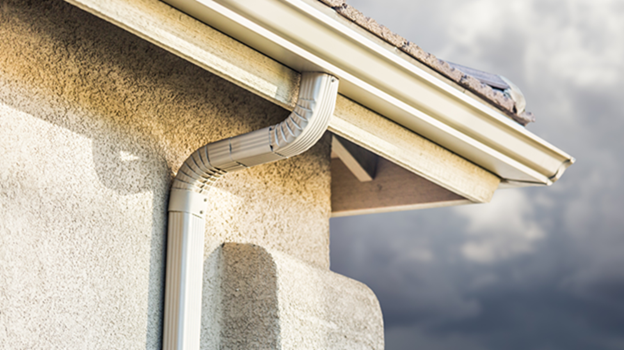
Downspout extensions look deceptively simple: attach a piece of pipe, aim it away from the house, and you’re done. In reality, small mistakes in extension length, direction, slope, and placement can quietly undo the whole purpose of your gutter system; moving roof water safely away from your foundation. When extensions are wrong, you may not notice a dramatic problem right away. Instead, you’ll see subtle clues: soggy mulch, eroded soil, stained concrete, basement dampness, or slippery walkways.
Here are nine common mistakes people make with downspout extensions and how to avoid them.
Making the Extension Too Short
This is the most common error. If the extension only carries water a foot or two from the foundation, you’re still saturating the soil right next to the home. Wet soil increases hydrostatic pressure against basement walls and can contribute to musty smells, efflorescence, and long-term foundation wear.
Better approach: Extend discharge far enough that water can soak into soil that naturally drains away from the home; often several feet, depending on grading and soil type.
Pointing the Extension the Wrong Direction
An extension can be “away from the house” and still wrong if it’s aimed toward a low spot, a neighbor’s property line, or a section of yard that drains back toward the foundation. Water follows gravity and will take the easiest path, sometimes looping right back to where you started.
Better approach: Aim discharge toward an area that slopes away, where water can disperse without pooling.
Ignoring Yard Slope and Grading
Even a properly placed extension won’t help much if your yard slopes toward the home. In that case, water discharges and then travels right back to the foundation line. People often blame the gutter system when the real issue is how the ground directs water.
Better approach: Evaluate the grade around the discharge area. In some cases, adding soil to improve the slope or redirecting the discharge is the simplest fix.
Creating a Trip Hazard on Walkways
Extensions frequently cross sidewalks, patios, or paths people use every day. Corrugated flex extensions are especially good at becoming a toe-catching obstacle. Beyond being annoying, this is a real safety risk, particularly in wet or icy conditions.
Better approach: Route extensions away from foot traffic, use low-profile solutions, or consider a more permanent route that doesn’t cross walking areas.
Dumping Water Onto a Driveway or Sidewalk Without a Plan
Discharging onto hard surfaces can cause staining, algae growth, and slippery patches. In freezing climates, this can also create ice hazards. Water rushing across concrete can erode nearby soil and carve channels that steer runoff right back toward your foundation.
Better approach: If discharge must hit concrete, ensure it’s directed to a drain path that carries water away safely, or you may need to reposition the outlet.
Using the Wrong Material (Flimsy, Crushable, or Easily Dislodged)
Cheap, thin extensions crack, crush, or pop off during storms, especially when clogged with debris or bumped by lawn equipment. Corrugated pipe can sag and trap sediment, creating slow drainage and backups.
Better approach: Choose a durable material appropriate for your setup. The best option depends on exposure, foot traffic, lawn maintenance, and the volume of water you’re moving.
Letting the Extension Sag or Run Uphill
Extensions that dip, belly, or point slightly uphill will hold water and sediment. Over time, that buildup reduces flow, encourages clogs, and can cause water to back up at the downspout connection, often leading to overflow at the gutter.
Better approach: Ensure the extension maintains a gentle slope away from the house with no low spots where debris can settle.
Discharging Into a Buried Line That’s Clogged, Broken, or Nonexistent
Some extensions connect to underground drain pipes. Homeowners sometimes assume those lines are working – until they’re not. If the underground line is clogged, collapsed, or ends too close to the home, water can spill out underground and saturate soil near the foundation where you can’t see it.
Better approach: Verify where the buried line exits and whether it’s actually flowing during heavy rain. If water backs up, you may need cleaning, repair, or rerouting.
Forgetting Maintenance (Debris, Animals, and Seasonal Shifts)
Extensions aren’t “set it and forget it.” Leaves, shingle grit, and mud can accumulate. Flexible pipes can trap debris in ridges. In colder months, ice can block discharge. In warmer months, critters may nest in open ends. And after mowing or yard work, extensions get knocked out of alignment more often than people realize.
Better approach: Check extensions a few times a year, especially after major storms and seasonal transitions. Make sure they’re still connected, pointed correctly, and draining freely.
Downspout extensions are a small detail that can have an outsized impact. When they’re right, you protect your foundation, reduce basement moisture risk, and prevent erosion and staining around your home. When they’re wrong, you can end up “fixing” symptoms (like damp basements or washed-out landscaping) without addressing the real cause.
If you’ve tried quick fixes and the problems keep returning, it may be time for expert downspout replacement or a more permanent drainage solution that matches your roof runoff, your yard’s grading, and how you actually use the space around your home.