What to Consider When Planning a Commercial Interior Design Project
Key Takeaways
- Clarify business goals before engaging in commercial interior design in Singapore
- Understand how an interior designer’s cost is structured and what affects pricing
- Balance aesthetics with compliance, workflow and long-term maintenance
- Choose partners who grasp local regulations, timelines and brand identity
- Plan for flexibility as business needs evolve
Introduction
A commercial space says more about a business than any brochure ever could. Step into a sleek office in Tanjong Pagar or a thoughtfully designed café in Tiong Bahru, and the atmosphere speaks first. It sets expectations. It builds trust. It even nudges behaviour.
That is why commercial interior design in Singapore is rarely just about picking finishes or matching brand colours. It is about strategy. It is about people. And yes, it is about numbers too. Before signing off on mood boards and carpentry drawings, a few important considerations deserve attention.
Start With Purpose, Not Pinterest
It is tempting to collect inspiration images and rush towards the “look”. Clean lines, biophilic features, open ceilings. But what problem is the space solving?
A law firm may require quiet rooms and acoustic control. A tech start-up might need flexible collaboration zones. A retail store in Orchard could prioritise foot traffic flow and window displays. When planning commercial interior design in Singapore, purpose should drive every layout decision.
That purpose also shapes technical requirements. Server rooms need cooling. F&B outlets require grease traps and exhaust systems. Clinics must meet strict hygiene standards. The earlier these realities are addressed, the fewer costly revisions later.
Budget Talk, Plain And Simple
No one loves discussing costs, but clarity here saves headaches. Interior designer cost is not a flat, one-size number. It usually depends on scope, design complexity, project size and materials selected.
Some designers charge a percentage of the overall project value. Others work on a fixed design fee plus project management charges. Then there are additional costs such as authority submissions, custom carpentry and mechanical works.
Understanding interior designer cost also means asking what is included. Are 3D renderings part of the package? Is site supervision covered? Does the fee include coordination with contractors and consultants?
In Singapore’s competitive market, comparing quotations is common. Still, the cheapest option is rarely the wisest. A lower fee can sometimes mean limited oversight or fewer revisions. And that often leads to more spending later. A bit of irony there, but it happens.
Compliance Is Not Optional
Here is where things get technical. Commercial projects must meet regulations set by authorities such as the Building and Construction Authority and the Singapore Civil Defence Force. Fire safety plans, accessibility guidelines and mechanical ventilation requirements all matter.
Experienced firms specialising in commercial interior design in Singapore are usually familiar with these submissions. They know the paperwork, the timelines and the typical pitfalls.
Skipping proper approvals to save time is risky. Delays, fines or stop-work orders can disrupt operations. For businesses on tight launch schedules, that can be painful.
Think About Flow, Not Just Furniture
A beautiful reception counter means little if customers bump into each other at the entrance. A stylish pantry is wasted if staff avoid it because it feels cramped.
Space planning is part art, part logic. It considers how people move, where they pause and how departments interact. In warehouses, workflow efficiency might resemble a well-choreographed dance. In co-working spaces, it feels more like organised chaos.
This is where commercial interior design in Singapore often blends aesthetics with behavioural psychology. Lighting can encourage focus. Softer seating areas can spark informal discussions. Even ceiling heights subtly affect perception.
And sometimes a minor tweak, like shifting a partition by half a metre, changes everything.
Brand Identity, But Make It Real
Many businesses talk about brand experience. Few translate it effectively into physical space.
Colours, textures and signage should reflect brand values, but authenticity matters more than trend. A heritage bakery in Katong may celebrate Peranakan motifs. A fintech firm might prefer clean lines and digital screens.
Still, branding should not overwhelm functionality. A dramatic feature wall is impressive, but not if it eats into usable area. Good commercial interior design in Singapore balances statement pieces with practical needs.
Timeline And Business Continuity
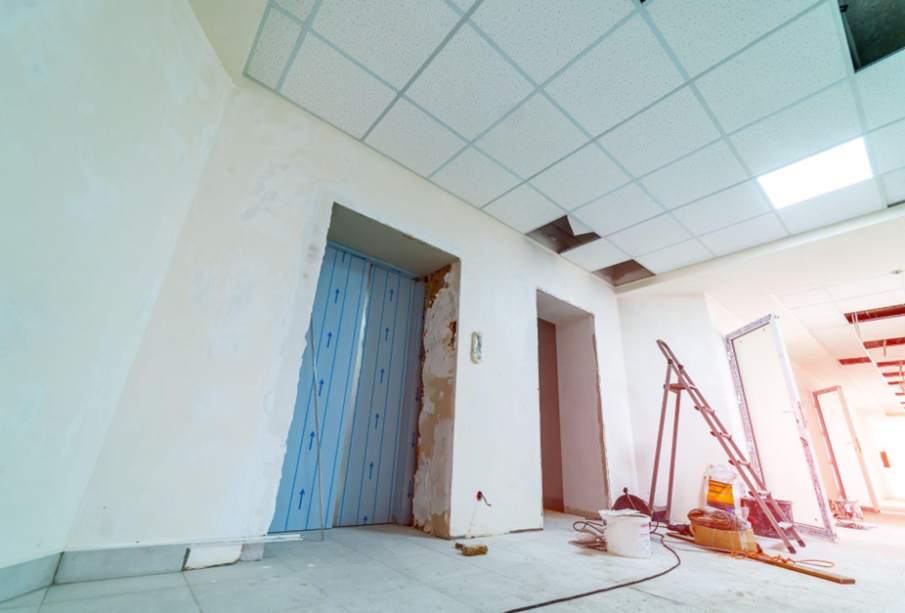
Renovation can disrupt daily operations. Noise, dust and temporary closures affect revenue.
Planning around this is crucial. Some companies renovate in phases. Others relocate staff temporarily. Clear project timelines and buffer periods help manage expectations.
Interior designer cost can increase if timelines are compressed. Fast-tracked projects often require additional manpower or overtime. That trade-off should be discussed early.
Flexibility For The Future
Business needs evolve. Teams grow. Technology shifts.
A rigid layout may look polished today, but feel outdated in three years. Modular furniture, movable partitions and adaptable lighting systems offer flexibility. Especially in Singapore’s fast-moving commercial landscape, adaptability is an asset.
When considering commercial interior design in Singapore, it helps to think ahead. Not every change can be predicted, of course. Still, designing with breathing room makes transitions smoother.
Conclusion
Planning a commercial interior design project is equal parts creativity and calculation. It involves purpose, compliance, budgeting and a clear understanding of interior designer cost. It also demands sensitivity to brand, people and future growth.
The most successful projects rarely happen by chance. They are shaped by careful discussions, detailed planning and collaboration with experienced professionals who understand the local context.
For businesses ready to elevate their space through thoughtful commercial interior design in Singapore, reach out to ID2U today and take the first step towards a workspace that truly works.