
How Does Weather Affect Your Heat Pump’s Performance?
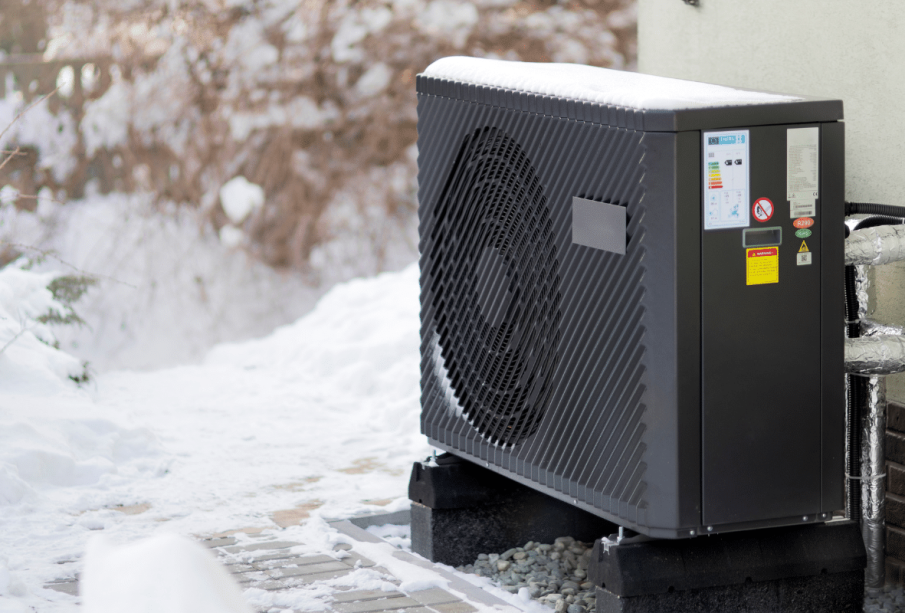
Weather plays a big role in how well your heat pump performs. Unlike traditional heating systems that generate heat, a heat pump moves heat from one place to another.
That means outdoor temperatures and humidity levels directly affect how efficiently the system can keep your home comfortable.
If you have ever wondered why your heat pump seems to work harder during extreme weather, the answer often lies in how these systems respond to changing conditions.
How Heat Pumps Work With Outdoor Air
A heat pump pulls heat from the outside air and moves it inside your home during winter. In summer, the process reverses, and the system removes heat from indoors and releases it outside. Because it relies on outdoor air to transfer heat, the weather has a direct impact on performance.
When temperatures are mild, heat pumps operate very efficiently. In fact, they can deliver several times more heating energy than the electricity they consume. But as the gap between outdoor temperatures and your indoor comfort setting grows, the system has to work harder to maintain that balance.
Performance During Cold Weather
Cold weather is one of the biggest challenges for heat pumps. As outdoor temperatures drop, there is less heat available in the air for the system to capture. This means the heat pump produces less heating output and may run longer cycles to maintain indoor comfort.
Another common cold-weather issue is frost buildup. When moisture in the air freezes on the outdoor coil, the system automatically enters a defrost cycle to melt the ice. During this short process, heating temporarily pauses while the unit clears the frost.
In very cold temperatures, the system may activate auxiliary heating. This backup heat helps maintain indoor comfort but uses more electricity than the heat pump itself.
Performance During Hot And Humid Weather
Heat pumps also face challenges in extreme heat. When outdoor temperatures climb very high, the system has a harder time releasing heat from your home to the outside air. As a result, cooling cycles may run longer.
Humidity adds another layer of difficulty. The system must remove moisture from the air before it can effectively lower the temperature. This extra work can make your home feel cooler but still slightly humid if the system is under stress.
Keep Your Heat Pump Ready For Any Weather
Regular maintenance helps your heat pump handle changing weather conditions more efficiently. Clean coils, proper refrigerant levels, and unobstructed airflow all play a role in maintaining strong performance.
If your system struggles during very hot or cold weather, it may need professional attention. Local experts like HELP Plumbing, Heating, Cooling, and Drains understand how Cincinnati’s climate affects heat pump performance and can help ensure your system runs efficiently in every season.