
5 Differences Between Wooden Blinds and Other Types of Blinds
Key Takeaways
- Natural timber acts as a superior insulator compared to metal or thin synthetic fabrics, significantly reducing solar heat gain during peak daylight hours.
- Unlike purely functional rollers, premium wooden slats are considered architectural furniture that introduces organic texture and warmth to a room’s interior design.
- While visually unmatched, authentic wood requires specific environmental conditions and is more susceptible to warping in high-moisture areas than PVC or composite alternatives.
Introduction
Choosing the right window treatment in 2026 involves balancing aesthetic desires with the practicalities of a tropical urban environment. While many homeowners initially consider a wide variety of types of blinds for their versatility, wooden blinds stand out as a premium choice that offers a distinct tactile appeal. Unlike the flat, uniform surface of a fabric roller or the cold utility of aluminium slats, natural timber brings an element of the outdoors into high-rise living spaces. However, the unique physical properties of organic wood mean that it performs very differently from synthetic or metallic counterparts under the local sun. Understanding these functional variances is essential for ensuring that your investment enhances both the comfort and the resale value of your property. Whether you are aiming for a classic colonial look or a modern industrial vibe, these five key differences highlight how timber compares to other common window solutions.
1. Natural Heat Insulation and Energy Efficiency
Real wooden blinds serve as exceptional natural insulators due to the low thermal conductivity of timber. Unlike aluminium slats, which can radiate heat into a room or thin fabrics that allow infrared energy to pass through, thick wood creates a sturdy barrier against the afternoon sun. This characteristic helps maintain a more consistent internal temperature, potentially reducing the reliance on air conditioning during the hottest months of the year. For residents in north-south facing units, this thermal mass provides a noticeable difference in comfort compared to more translucent types of blinds. Investing in timber is therefore not just a stylistic choice but a functional one that addresses the challenges of the local climate.
2. Texture and Luxury Visual Appeal
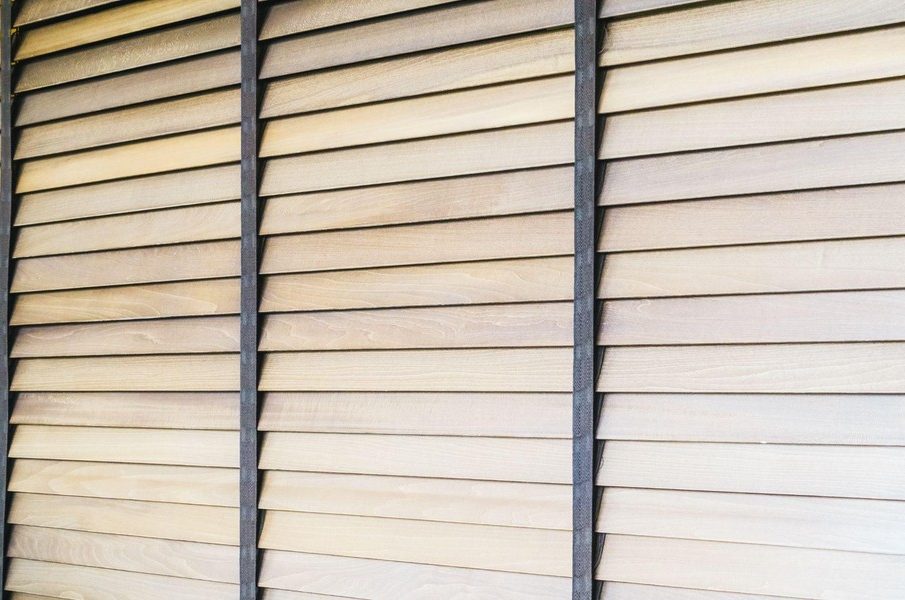
The natural “luxe” appeal that organic grains add to a living area is one of the biggest distinctions between wood and other materials. Wooden installations serve as eye-catching furniture pieces for your windows, whilst many blinds are made to blend in with their surroundings. No two slats are precisely the same due to the distinct differences in grain and knots, which give them a warmth and depth that metal or plastic “faux-wood” cannot match. This organic style works especially well in home offices or master suites where it’s important to create a sophisticated yet grounded feel. Wood is a popular option for contemporary wellness-focused interiors since the usage of natural materials has also been connected to enhanced well-being in indoor settings.
3. Physical Weight and Operational Mechanics
Natural timber is significantly heavier than PVC, aluminium, or fabric, which directly impacts how the blinds are operated on a daily basis. For very wide or tall windows, the cumulative weight of the wooden slats can make manual lifting a strenuous task, often leading to increased wear on the internal cord mechanisms. To address this, many 2026 homeowners opt for motorised or “Inverter” systems that handle the heavy lifting with precision and ease. In contrast, other lightweight types of blinds are much easier to adjust by hand but lack the sturdy, high-quality “thunk” and stability that a wooden Venetian blind provides when closed. Understanding this weight differential is crucial when deciding between manual or automated hardware for larger spans.
4. Moisture Sensitivity and Environmental Limits
Unlike synthetic types of blinds made from PVC or water-resistant composites, real wood is a porous material that can be affected by extreme humidity and direct liquid exposure. Constant steam in a poorly ventilated bathroom or driving rain on an open balcony can cause natural timber to warp, crack, or lose its finish over time. For these high-moisture zones, specialists often recommend high-quality faux-wood alternatives that mimic the look of timber while offering the durability of plastic. However, in dry, climate-controlled areas like living rooms or bedrooms, real wood remains the gold standard for longevity and beauty. Recognising the environmental limitations of each room ensures that you select a material that will remain structurally sound for years.
5. Superior Light Filtering and Privacy Capabilities
The physical thickness and opacity of wooden slats provide a nearly 100 per cent “dim-out” effect when the blinds are fully closed. Unlike many fabric rollers that allow a soft “glow” of light to permeate the room, wood blocks the sun entirely, making these blinds perfect for media rooms or home offices where screen glare is a major concern. When the slats are tilted, they offer a level of privacy that other types of blinds struggle to match, allowing air and light to circulate while completely obscuring the view from the outside. This combination of total darkness when needed and granular light control during the day makes wooden treatments a highly versatile tool for managing the internal ambience of a home.
Conclusion
Understanding how different materials react to the unique requirements of your home is essential when choosing between different types of blinds. Wooden blinds provide a special blend of perfect light control, luxurious aesthetics, and thermal insulation that synthetic alternatives sometimes fall short of. They have a significant impact on the atmosphere and energy efficiency of a home, even though they need more careful thought when it comes to weight and moisture. You may decide whether the classic charm of natural wood is appropriate for your home design objectives by considering these five distinctions. In the end, the ideal window treatment offers a long-lasting balance between form and function.
Upgrade to the timeless look of timber. Contact De Art Studio today for a Durability Comparison between our real wood and faux-wood collections!